
 make preferable
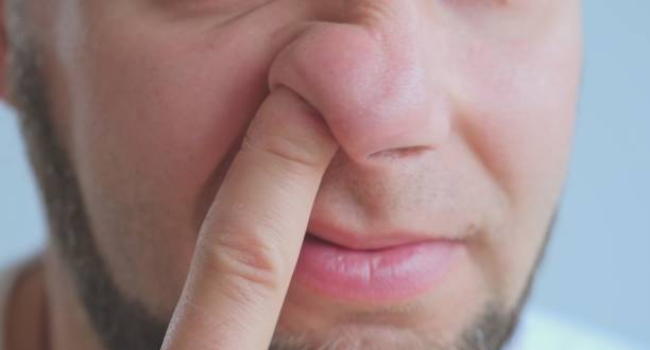
A team of scientists led by neurobiologist James St John from Griffith University has identified a possible link between damage to the nasal mucosa and an increased risk of neurodegenerative processes resembling Alzheimer’s disease. The study was published in Scientific Reports.
The researchers focused on the bacterium Chlamydia pneumoniae, a known cause of pneumonia in humans. It has previously been detected in the brains of many patients with late-stage dementia, but the route by which the bacterium enters the central nervous system had remained unclear.
Experiments in mice showed that the bacterium can enter the brain directly via the olfactory nerve, which connects the nasal cavity to the brain. This occurred particularly rapidly when the nasal epithelium—the thin protective tissue in the upper part of the nasal cavity—was damaged. Such damage can result, among other things, from frequent nose picking or pulling out nasal hairs.
In infected mice, beta-amyloid proteins began to accumulate in the brain within 24–72 hours after infection. These molecules are thought to be part of the immune response to infection, but their accumulation in the form of amyloid plaques is a hallmark of Alzheimer’s disease in humans.
“We have shown for the first time that Chlamydia pneumoniae can directly enter the brain through the nose and trigger pathological processes similar to those seen in Alzheimer’s disease,” St John noted. According to him, the speed at which the infection spread through the nervous system was unexpectedly high.
It remains unclear whether amyloid accumulation is a cause of the disease or a temporary protective response that may subside once the infection is cleared. In addition, all key data so far have been obtained in animal models.
Nevertheless, the study strengthens interest in the hypothesis that neurodegenerative diseases may be linked not only to aging and genetics, but also to environmental factors, including exposure to bacteria and viruses. The researchers plan to continue their work with human participants to determine whether the same mechanism operates in people.
Until such data are available, the scientists advise avoiding damage to the nasal mucosa, as it serves as an important barrier between the external environment and the brain.





