
 make preferable
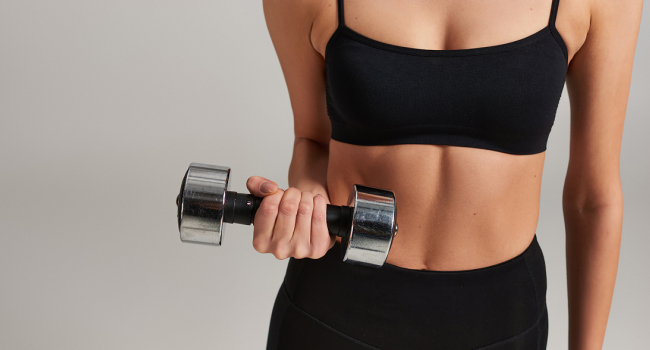
The New Year holidays often disrupt regular workout routines: gyms may be closed, studio schedules get thrown off, and travel and social gatherings take up free time. For some, this is a long-awaited break; for others, it causes anxiety about quickly losing fitness and endurance. Scientists and exercise physiologists say that both activity and rest can be beneficial—the key is choosing the right strategy. This is reported by The Conversation.
The simplest option is walking. Studies show that the more steps people take per day, the lower their risk of premature death. For those over 60, the optimal range is about 6,000–8,000 steps a day; for younger adults, 8,000–10,000 steps are recommended. This is enough to maintain cardiovascular benefits.
If you are used to running or interval training, you can reduce the frequency and duration of workouts while maintaining intensity. “Exercise snacks” also work well: short, high-intensity bouts lasting 5–10 minutes. Even one minute of vigorous activity can provide benefits comparable to several minutes of moderate exercise.
Muscle mass can also be maintained without equipment. Short bodyweight sets—such as squats, push-ups, lunges, and planks—are effective. Just 10–15 minutes per session, 5–7 times a week, with one or two exercises per muscle group, can be enough.
For those who continue training in the gym, experts recommend working out less often but not reducing the weights used.
Physical activity is important not only for the body but also for mental health. Reviews of studies show that on days when people move more, they are more likely to report better mood and lower stress levels. This is especially relevant during the holidays, which can be joyful but also emotionally demanding. Activities such as walking, swimming, or yoga for 20–40 minutes help reduce anxiety. Additional benefits come from being in nature and engaging in shared activities—walking with family, cycling, or even active video games.
Experts emphasize that a temporary break from training can also be beneficial. A few weeks of rest allow the body to recover, especially after a demanding year. Sleep and relaxation are key components of recovery that often suffer during the busy pre-holiday period.





