
 make preferable
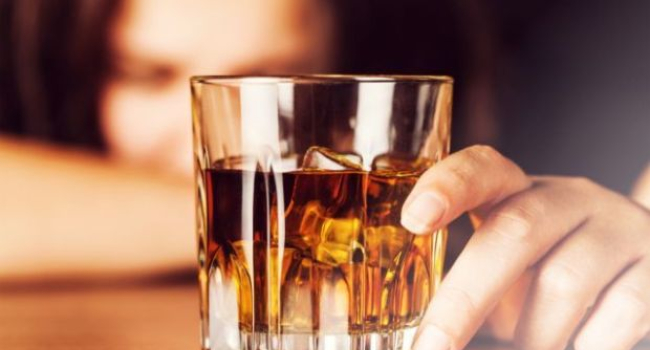
During holiday periods, celebrations are often accompanied by increased alcohol consumption, which raises the risk of injuries, including road traffic accidents, falls, burns, poisonings, and interpersonal violence.
According to a new fact sheet from the WHO Regional Office for Europe, “Alcohol-related injuries in the WHO European Region: an overview of key findings based on 2019 data,” one in three deaths from injuries and violence in the region is attributable to alcohol use. No other psychoactive substance contributes as much to both unintentional and intentional injuries—from fatal road crashes to self-destructive behavior. Alcohol poses a particularly serious threat to young people.
In 2019, according to the latest available WHO data, nearly 145,000 injury-related deaths in the region were linked to alcohol. The largest share of these cases was due to self-harm, road traffic injuries, and falls.
“Alcohol is a toxic substance that not only causes seven types of cancer and other noncommunicable diseases, but also impairs judgment and self-control, slows reaction time, worsens coordination, and promotes risky behavior,” explained Carina Ferreira-Borges, WHO Regional Adviser on Alcohol, Illicit Drugs, and Prison Health. “That is why it is so often associated with preventable injuries and deaths.”
Alcohol is one of the leading preventable causes of injury-related mortality worldwide and makes a substantial contribution to overall mortality in the WHO European Region, where alcohol consumption remains the highest in the world. It is estimated that alcohol leads to around 800,000 deaths each year—about one in every eleven deaths in the region.
Alcohol is closely linked to violence and aggression. In 2019, approximately 26,500 deaths were caused by interpersonal violence, and more than 40 percent of these were associated with alcohol. Alcohol also contributed to more than one third of all deaths due to self-harm.
The WHO emphasizes that reducing alcohol consumption, especially during the holiday season, can significantly lower the risk of both intentional and unintentional injuries and help protect the health of individuals and communities.





