
 make preferable
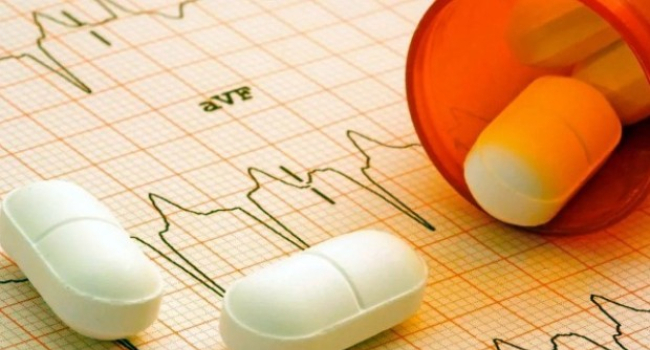
Statins should not be combined with a range of antifungal medications, antibiotics, immunosuppressants, and even grapefruit—such combinations can significantly increase the risk of muscle complications. This was shared with The Conversation by Deepa Kamdar, senior lecturer in pharmaceutical practice at Kingston University.
"Statins are generally considered safe and well-researched drugs, but their interaction with other medications is often underestimated," Kamdar notes. According to her, particular caution should be exercised when taking simvastatin and atorvastatin, which are metabolized in the liver with the help of the CYP3A4 enzyme.
When this enzyme is blocked, the level of statins in the blood may rise.
"As a result, the risk of side effects related to the muscles increases—from pain and weakness to the extremely rare but dangerous condition known as rhabdomyolysis," the expert explains.
Drugs that interfere with statin metabolism include antifungal agents such as ketoconazole, some antibiotics like erythromycin, immunosuppressants like cyclosporine, and heart medications—such as amiodarone and diltiazem.
"These drugs compete for the same enzyme systems in the liver, causing statins to accumulate in the body," Kamdar says.
Even food can play a role.
"Grapefruit contains substances that block CYP3A4 in the intestine, so more statin enters the bloodstream than expected. This effect is not the same for all drugs, but for some, it is clinically significant," warns the specialist.
At the same time, the expert emphasizes that serious complications are rare. The probability that muscle symptoms are actually caused by statins is less than 10%, and rhabdomyolysis develops in only a few people per million. A slight increase in blood glucose levels, which sometimes occurs during treatment, also does not "outweigh" the benefits of reducing the risk of heart attack and stroke.





