
 make preferable
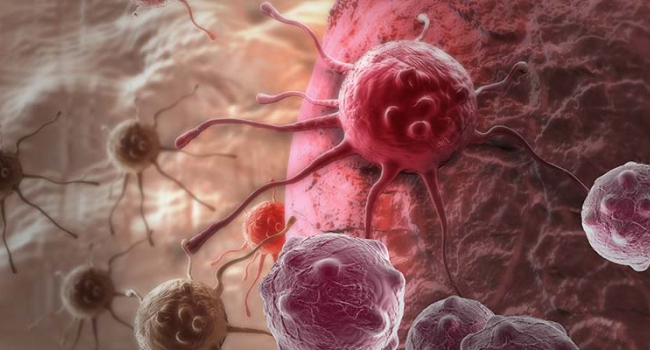
Cleveland Clinic researchers have discovered that bacteria inside cancerous tumors may be key to understanding why immunotherapy works for some patients but not others, Cleveland Clinic informs.
Two new studies, published simultaneously in Nature Cancer, reveal that elevated levels of bacteria in the tumor microenvironment suppress immune response, driving resistance to immunotherapy in patients with head and neck squamous cell carcinoma.
The research team, led by Dr. Chan, Daniel McGrail, Ph.D., assistant staff in the Center for Immunotherapy & Precision Immuno-Oncology, and Natalie Silver, M.D. M.S., director of Head and Neck Cancer Research, validated the findings through patient samples, preclinical models, and clinical trial data.
The findings showed that it was not the specific type of bacteria that mattered, but rather their total number in the tumor: the higher the bacterial load, the weaker the antitumor immune response, regardless of the type of microorganisms. In an experimental model, the use of antibiotics led to a decrease in tumor size and a strong enhancement of the immune response, while the artificial addition of bacteria made the tumors resistant to immunotherapy.
The researchers also analyzed data from a large phase III clinical trial evaluating the effect of adding immunotherapy to standard chemoradiotherapy. They found that patients with high levels of bacteria in the tumor had significantly worse outcomes from immunotherapy compared with conventional treatment. This suggests that the bacterial microflora in the tumor’s intratumoral space can alter the immune “landscape” and hinder the effectiveness of modern treatments.
The mechanism by which bacteria suppress immune activity is linked to the recruitment of neutrophils. These are white blood cells that control inflammation and fight infection. In the setting of tumors, these cells, although they fight bacteria, can suppress antitumor immunity, thereby reducing the effectiveness of immunotherapeutic approaches.
Based on this research, new clinical trials have already begun to test whether reducing the bacterial load in tumors with antibiotics can restore sensitivity to immunotherapy and improve treatment outcomes.
This discovery could be a step towards personalized cancer therapy, where taking into account the tumor microbiome will help choose the best treatment methods for each patient.





