
 make preferable
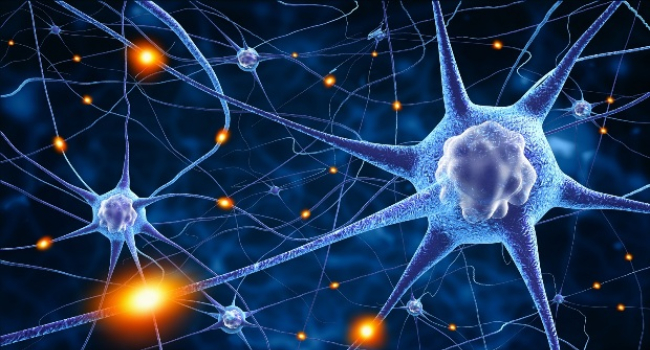
An international team of scientists has identified hundreds of genes required for the development of brain cells, including a previously unknown gene linked to a severe neurodevelopmental disorder.
The study, published in Nature Neuroscience, introduces a new approach for identifying genes involved in neurodevelopment and related disorders, including autism.
Researchers led by Professor Sagiv Shifman of the Hebrew University of Jerusalem used CRISPR technology to systematically switch off around 20,000 genes in embryonic stem cells as they differentiated into neurons. This enabled the identification of 331 genes that are critical for the formation of nerve cells, many of which had not previously been associated with this process.
The team paid particular attention to the PEDS1 gene, which is essential for the synthesis of plasmalogens—phospholipids that are highly concentrated in myelin, the insulating sheath around nerve fibers. A deficiency in PEDS1 leads to reduced brain size and impaired neuron formation and migration. Genetic testing in two unrelated families revealed a rare PEDS1 mutation associated with severe developmental delay in children. Experimental models confirmed the gene’s critical role in brain development.
The scientists also found that the inheritance patterns of neurodevelopmental syndromes depend on gene function: dominant mutations are more common in regulatory genes, while recessive mutations are more typical of metabolic genes such as PEDS1. The resulting “gene essentiality map” also helps distinguish between the mechanisms underlying autism and developmental delay: genes that are crucial at early stages of neuronal differentiation are linked to autism, whereas broadly essential genes are associated with developmental delay.
The study paves the way for more precise genetic diagnostics, improved family counseling, and the future development of targeted therapies. To support the scientific community, the team has created an open online resource containing the experimental results, accessible to researchers worldwide.





