
 make preferable
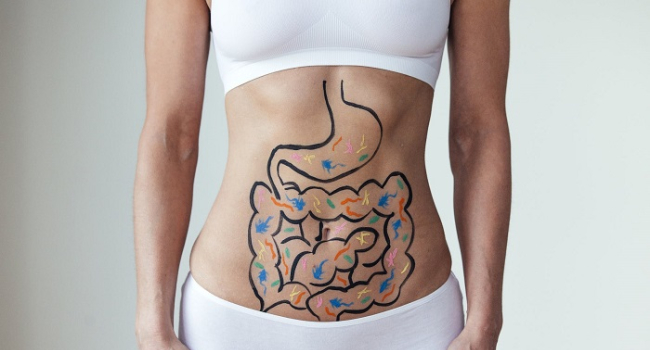
In a recent review study published in The Journal of Clinical Investigation, scientists synthesized data from around two hundred research papers to systematize the major advances of the past decade in the study of the so-called gut–brain axis. The authors show that the connection between the digestive system and the central nervous system is not a metaphor, but is based on well-defined biological mechanisms.
The review identifies four main pathways of interaction. The first is hormonal: the gut is the body’s largest hormonally active organ and produces more than thirty signaling molecules. For example, over 90 percent of the body’s serotonin is generated in the gut, where it primarily regulates local processes without directly entering the brain. The second pathway is neural, involving direct connections between intestinal cells and the vagus nerve. These signals are transmitted extremely rapidly and can influence appetite, food preferences, and the sensation of reward.
The third mechanism involves the gut microbiota. Research shows that specific changes in microbial composition are associated with neurological and psychiatric disorders. In Parkinson’s disease, in particular, a hypothesis has been proposed that pathological proteins may form in the gut and then spread to the brain via neural pathways, although this process remains a subject of scientific debate. The fourth pathway is immune-related. Stress can increase the permeability of the intestinal wall, triggering immune responses that, in animal experiments, lead to changes in behavior and increased anxiety.
The review also shows that modern treatments already make use of these mechanisms. Medications for irritable bowel syndrome reduce pain by acting on neural signaling between the gut and the brain, while weight-loss drugs influence hormonal pathways that regulate feelings of satiety.
The authors conclude that the gut–brain axis is a complex, bidirectional system involving nerves, hormones, microbes, and immune cells. Understanding these processes opens the door to more precise and personalized treatments for gastrointestinal as well as neurological and psychiatric disorders, although patient-to-patient variability and challenges in reproducibility remain significant obstacles for future research.





