
 make preferable
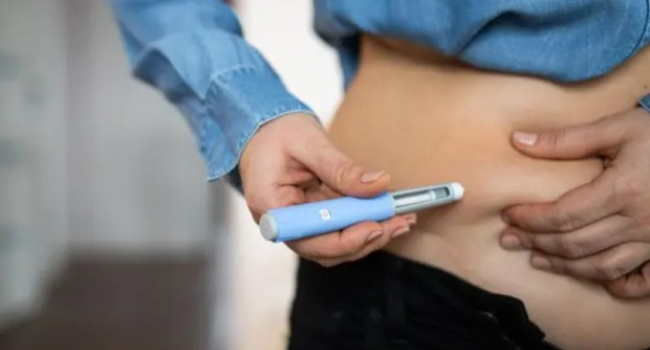
New research suggests that people who try to lose excess weight using weight-loss injections such as Mounjaro or Wegovy may regain the lost kilos up to four times faster after stopping treatment than those who discontinue dieting or exercise.
According to data published in the British Medical Journal, people with overweight who use injections lose a significant amount of weight — about one-fifth of their total body mass. However, after stopping the injections they regain, on average, 0.8 kg per month. This means that within about a year and a half they return to their starting weight.
“People who buy these drugs need to be aware of the risk of rapid weight regain after treatment ends,” warns Susan Jebb, a researcher at the University of Oxford, as reported by the BBC.
At the same time, she notes that these conclusions are based on the results of clinical trials rather than real-world data, and that further research into the long-term effects of new weight-loss injections would be useful.
The researchers analyzed 37 studies involving more than 9,000 patients to compare the results of popular weight-loss injections with those of traditional diets or other weight-loss pills.
Only eight studies assessed treatment with new GLP-1 drugs such as Wegovy and Mounjaro, and the maximum follow-up period in these studies was one year after stopping the medication, so the findings should be considered approximate.
According to the researchers, people who lose weight through dieting shed less weight than those using injections, but after stopping the diet their weight returns more slowly — at about 0.1 kg per month, although this varies between individuals.
The UK’s National Health Service (NHS) prescribes injections to people with overweight who have obesity-related health risks, but does not recommend their use for those who simply want to lose a small amount of weight.
In addition, doctors are required to prescribe lifestyle changes, including healthy eating and regular physical activity, to help patients maintain their weight.
Many experts believe that such treatment should be considered lifelong, given the risk of relapse.
Those who have tried stopping the injections say it feels like “a switch that instantly turns on intense hunger.”
One woman admitted: “It felt as though something clicked in my head and said, ‘Eat everything — go on, you deserve it, you haven’t eaten for so long.’”
According to Dr Adam Collins, a nutrition specialist at the University of Surrey, the way these drugs affect the brain and body may explain why weight returns at double the speed after discontinuation.
The reason is that they mimic a natural hormone called GLP-1, which regulates appetite.
“Artificially maintaining GLP-1 levels several times higher than normal over a long period may reduce the body’s own production of natural GLP-1 and also decrease sensitivity to its effects,” he explains. “While you are taking the medication, there is no problem, but once you stop this GLP-1 substitute, appetite is no longer controlled and the likelihood of overeating rises sharply.”
According to Collins, getting through this withdrawal is a real challenge.
“The problem is further compounded if, in order to achieve results, a person relies solely on the appetite-suppressing effect of GLP-1 and does not take steps to change their diet or habits that would help in the long term,” the doctor adds.
According to recent estimates, about 1.6 million adults in the UK used weight-loss injections last year, mostly purchasing them via private prescriptions rather than through the NHS.
Data from Cancer Research UK, based on a nationwide survey conducted in the first quarter of 2025, show that another 3.3 million people said they would like to try “slimming jabs” in the coming year. This means that one in ten adults has either already tried them or would like to do so.
Women were twice as likely as men to use these injections, and their use was more common among people aged 40 to 50.
According to Professor Naveed Sattar of the University of Glasgow, weight-loss injections can provide additional health benefits by helping people lose weight quickly.
“It is quite possible that even two or three years of weight loss achieved through short-term use of these injections could help slow damage to the joints, heart, or kidneys. Larger and longer-term studies will be needed to clarify this,” he says.
“It is important to note that long-term use of these drugs for three to four years allows people to maintain weight at a significantly lower level, something that is not usually seen with lifestyle-based weight loss, as most people eventually regain the weight they lose,” Sattar adds.
Doctors and weight-management specialists cannot simply prescribe Mounjaro and Wegovy, even if a patient has previously obtained them via a private prescription. These medicines are prescribed only to those who genuinely need them for medical reasons and meet a set of criteria, such as having health problems related to excess weight.
Currently, there is no time limit on NHS prescriptions for Mounjaro, while Wegovy may be prescribed for no more than two years.
A spokesperson for the pharmaceutical company Eli Lilly, which manufactures Mounjaro, noted that weight-loss medications should be used alongside healthy eating, physical activity, and medical supervision.
“When treatment stops, weight may return, reflecting the biological nature of the disease rather than a lack of effort,” she added.
“These findings highlight the chronic nature of obesity and suggest that continued treatment is necessary to maintain improvements in weight and overall health, as with other chronic conditions such as diabetes or hypertension,” said the pharmaceutical company Novo Nordisk, which produces Wegovy.





