
 make preferable
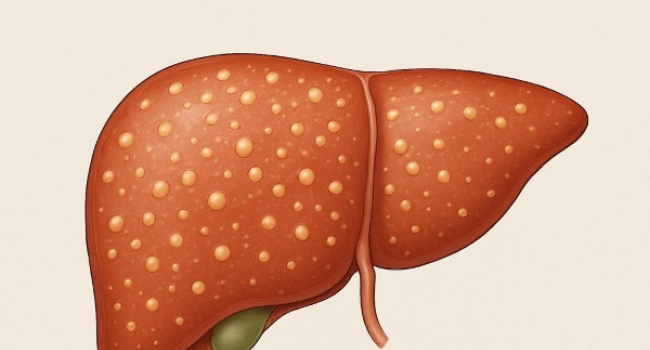
Scientists from the University of Oxford have found that the most common liver disease is closely linked to the body’s circadian rhythms and progresses most actively at night, when metabolism functions least efficiently. The condition in question is metabolic dysfunction–associated fatty liver disease (MAFLD), formerly known as non-alcoholic fatty liver disease. Today, it affects about 40% of the world’s adult population and, in severe cases, can lead to cirrhosis, liver failure, liver cancer, and cardiovascular complications.
The study results were published in the journal Cell Metabolism. The research involved people both with and without a diagnosis of fatty liver disease. Scientists conducted detailed metabolic studies during daytime and nighttime hours, including liver biopsies and specialized insulin sensitivity tests. This approach made it possible to track how processes related to fat accumulation in the liver change over the course of a day.
The researchers found that fat production in the liver increases specifically at night, while insulin resistance rises not only in the liver itself but also in muscles and abdominal fat tissue. At the same time, blood insulin levels decrease at night, which further promotes fat accumulation. Importantly, these disturbances persisted even after weight loss and a reduction in liver fat. This suggests that nighttime metabolic disruptions may not be a consequence of the disease, but rather one of its early and key mechanisms.
The researchers also examined the participants’ eating habits. Many consumed a significant portion of their daily calories in the evening, with more than 40% of total energy intake coming from dinner. As a result, the greatest metabolic load occurred precisely during the period when metabolism is weakest.
Scientists describe this as a “double hit” that accelerates the development of liver disease.
The authors emphasize that these findings open new opportunities for prevention and treatment. In particular, not only the composition of the diet but also the timing of food intake, physical activity, and medication use may play an important role. Large evening meals, especially close to bedtime, can significantly worsen metabolic status in people with fatty liver disease and contribute to further fat accumulation in the liver.
The study also highlights the importance of the body’s biological clock in the development of not only liver diseases but other metabolic disorders as well, including obesity, insulin resistance, and diabetes.





