
 make preferable
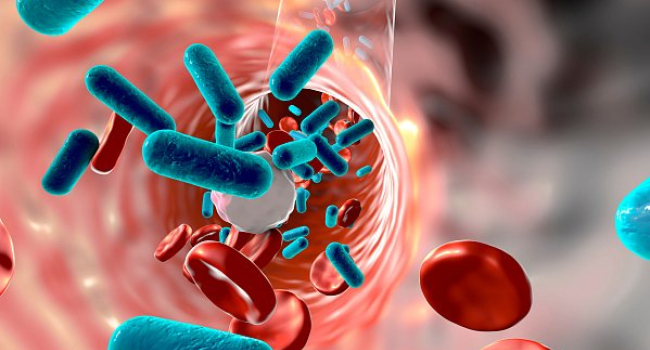
Researchers from Griffith University may have uncovered a breakthrough in the treatment of sepsis: Phase II clinical trials conducted in China have been successfully completed with promising results, Medical Xpress reports.
The sepsis drug candidate, a carbohydrate-based compound called STC3141, was developed jointly by distinguished Professor Mark von Itzstein and his team at Griffith University’s Institute for Biomedicine and Glycomics, together with Professor Christopher Parish and his team from the Australian National University.
“The study met key endpoints, indicating that the drug candidate is successfully combating sepsis in humans,” Professor von Itzstein said.
STC3141 was administered via infusion through a catheter and counteracted the massive release of biological molecules that occurs in the body during sepsis.
The experimental low–molecular weight, carbohydrate-based drug is designed to treat sepsis by preventing or reducing organ damage.
Sepsis is known to affect millions of hospitalized patients worldwide each year and occurs when the body’s immune response to infection begins to attack and damage its own tissues and organs.
“If sepsis is not recognized early and treated promptly, it can lead to septic shock, multiple organ failure, and death,” Professor von Itzstein emphasized.
The study, conducted by Grand Pharmaceutical Group Limited (Grand Pharma), involved 180 patients with sepsis, one of the leading causes of death and long-term disability worldwide. Currently, there is no specific anti-sepsis therapy, and sepsis is considered a major unmet clinical need.
Professor von Itzstein noted that Grand Pharma now plans to move on to Phase III trials to further evaluate the effectiveness of the new treatment.
“We hope that within a few years this drug will reach the market and potentially save millions of lives,” he said.





