
 make preferable
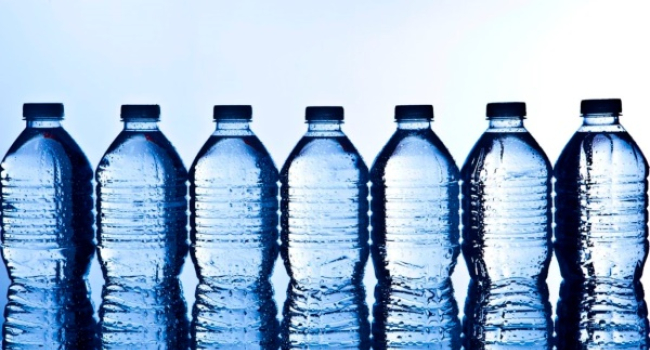
Some brands of bottled water contain significantly more microplastics and nanoplastics than regular tap water. This conclusion was reached by scientists from Ohio State University, who developed a new method for detecting tiny plastic particles. The study was published in the journal Science of The Total Environment (STE).
Microplastics and nanoplastics are tiny fragments of synthetic polymers formed as plastic packaging and other products break down. Today, they are found virtually everywhere — from oceans and soil to air and drinking water.
In the study, researchers analyzed water samples from four water treatment plants near Lake Erie, as well as water from six popular bottled water brands. It turned out that bottled water contained on average three times more nanoplastic particles than treated tap water.
“If a person wants to reduce daily exposure to potentially harmful substances, the simplest step is to drink tap water instead of buying bottled water,” explained the lead author of the study, Megan Jamison Hart, a graduate student in environmental sciences.
Previously, scientists had already studied microplastics in drinking water, but nanoplastics had long remained “invisible” due to their extremely small size. In the new study, a combination of scanning electron microscopy and infrared photothermal spectroscopy was used, allowing particles to be detected and identified at the nanoscale.
More than half of all detected particles turned out to be nanoplastics. In bottled water, their source was most often, as expected, the packaging itself. Meanwhile, the origin of nanoplastics in tap water remains unclear.
Although the impact of microplastics and nanoplastics on human health has not yet been fully studied, scientists note that the smallest particles are capable of penetrating biological barriers and accumulating in body tissues.
“We still do not understand all the risks associated with nanoplastic exposure, but there is already evidence that it may be harmful. Therefore, it makes sense to try to minimize contact with it,” Hart noted.
The authors emphasized that including nanoplastics in analyses could change perceptions of the scale of plastic pollution and help develop more effective water purification technologies in the future.





