
 make preferable
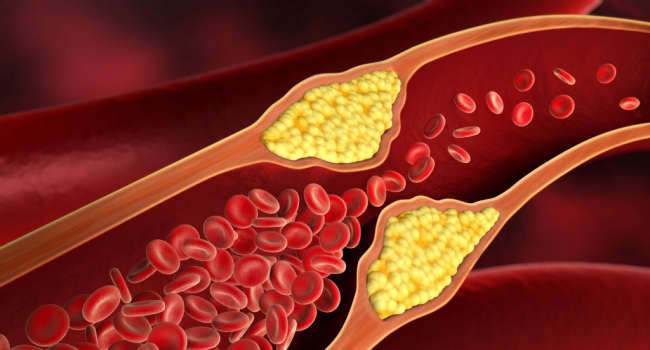
Researchers have reported the development of a new experimental drug that significantly reduces “bad” cholesterol levels in people at high risk of heart attack, even if they are already taking statins. The respective study was published in the New England Journal of Medicine.
The drug is called enlicitide. Unlike existing methods, it removes cholesterol from the body as effectively as modern injections—but in the form of pills. If the drug is approved by the US Food and Drug Administration (FDA), it could become a more convenient alternative to injections for millions of patients.
Statins remain the mainstay of therapy, as they suppress cholesterol synthesis in the liver. But even with the highest doses, many patients fail to reduce their low-density lipoprotein (LDL) cholesterol to levels recommended by clinical standards. In such cases, additional drugs, including expensive injections, are now used.
The new study involved more than 2,900 patients at high risk of cardiovascular disease. They were randomly assigned to one of two groups: one group received enlicitide in addition to standard therapy, and the other group received a placebo. After six months, patients taking the new drug had a 50-60 percent reduction in LDL cholesterol.
There are other pills that patients can add to their statins "but none come close to the degree of LDL cholesterol lowering that we see with enlicitide," said study lead author Dr. Ann Marie Navar, a cardiologist at University of Texas Southwestern Medical Center.
The effect was maintained after a year of monitoring, with only a slight decrease. No safety differences were found between the groups. The only limitation is that the drug must be taken on an empty stomach.
The study was funded by Merck, which is preparing documents for the FDA’s accelerated review process. The new drug has already been included in the priority review program.
The research offers "compelling evidence" that the new pill lowers cholesterol about as much as those PCSK9 shots, but there is still need to see whether this will affect mortality and cardiovascular events, said Dr. William Boden, a cardiologist at Boston University.
A separate study, in which more than 14,000 patients participated, has already been launched, the findings of which are expected in the coming years.





