
 make preferable
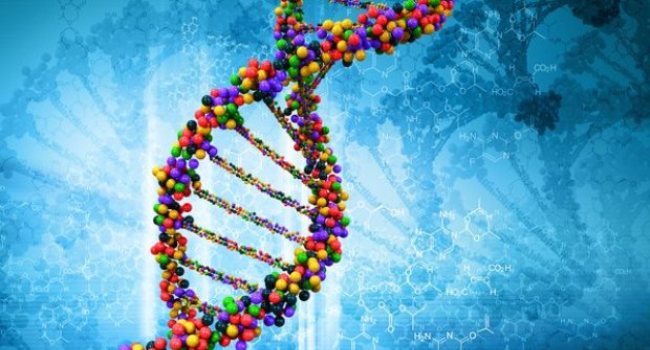
A new study published in the journal Nature has shown that genetic variants in specific regions of the human genome significantly influence the composition and function of the gut microbiota. Scientists discovered that at least 11 DNA regions are directly associated with variations in microbial populations in the intestine, highlighting the complex interaction between human genetics and the microbiome. This finding is important not only for understanding fundamental human biology but also for future medical approaches to the prevention and treatment of microbiota-related diseases.
The research involved several international laboratories and included analysis of genetic data and microbiota profiles from a large number of volunteers. Scientists examined which genomic variations were linked to changes in the composition of bacteria, archaea, and other microorganisms living in the gut. Certain genetic markers were found to correlate with the presence or absence of specific microbial species, as well as with overall microbiota diversity. This suggests that not only diet and lifestyle shape the microbiome, but also the genetic “background” inherited from parents.
Researchers had previously established that the microbiome influences immune function, metabolism, brain activity, and the risk of chronic diseases such as obesity and diabetes. However, the question of how human genetics shapes the microbial ecosystem in the gut had remained only partially understood. The new findings identify specific genomic regions that could be included in future studies and potentially used in the development of personalized therapies aimed at modifying the microbiota.
The study authors emphasize that the relationship between genes and the microbiome is not a simple direct or deterministic effect but a complex interaction involving numerous biological processes. Genetic variants may exert their influence through regulation of immune responses, nutrient metabolism, or the barrier functions of the intestine. Understanding these mechanisms may help researchers develop more precise diagnostic tools and therapies for diseases associated with microbiota imbalance.





