
 make preferable
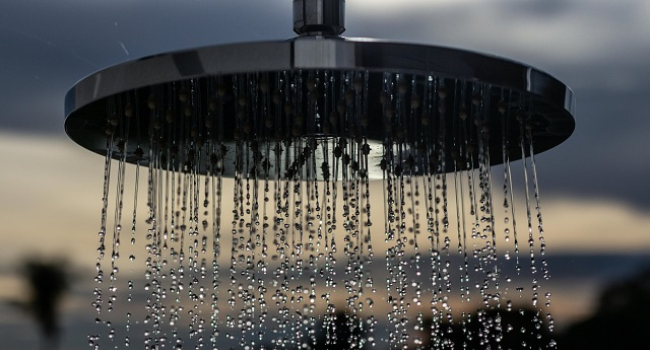
In recent months, an unusual sleep “hack routine” has been gaining popularity on social media — taking a shower in complete darkness or under very dim lighting before going to bed.
Posts claim that this practice may help people fall asleep faster and sleep more deeply. There are some biological explanations supporting this idea, although large, direct studies specifically examining the “dark shower” itself are still lacking, The Conversation writes.
The key factors here are light and heat. Our internal biological rhythm, or circadian cycle, is regulated not only by time but also by light. Bright light in the evening signals to the brain that it is still daytime, slows the production of melatonin — the sleep hormone — and can keep us alert for longer. Under laboratory conditions, bright lighting before bedtime has indeed been shown to reduce melatonin levels and increase subjective alertness.
Typical bathrooms are often very brightly lit: illuminated mirrors and ceiling lights are designed for precision tasks during the day, but in the evening they send a signal that “it’s not time to sleep yet.” Turning off the lights or leaving only a dim source weakens this signal. Light sources rich in the blue spectrum are particularly strong at suppressing melatonin and may delay sleep onset by several minutes.
Another possible benefit comes from warm water. During a warm shower, the body temperature rises slightly, and as the body begins to cool afterward, this process promotes relaxation and helps prepare the body for sleep. A review of several studies found that taking a warm bath or shower one to one and a half hours before bedtime may shorten the time it takes to fall asleep and increase the proportion of nighttime sleep.
Other factors are also important: quietness, the soft sound of running water, and the absence of bright visual stimuli. All of these help reduce nervous system activity and support a calmer transition into sleep.
It is important to remember that there is very little direct evidence proving the effectiveness of the “dark shower” as a standalone technique — conclusions are based on related research on light, temperature, and biological rhythms.
Follow NEWS.am Medicine on Facebook and Twitter
Print | Armenian





