make preferable
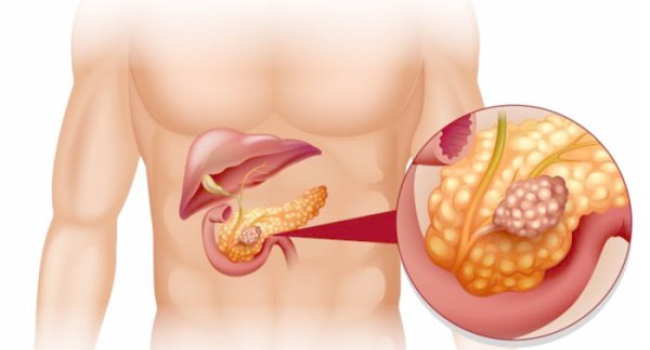
Researchers have discovered that the nervous system actively participates in the development of pancreatic cancer at very early stages, even before visible tumors appear. The study sheds light on how interactions between nerves and cells within tissues may support cancer growth and could potentially open new directions for therapy.
Pancreatic cancer is considered one of the most dangerous forms of cancer — it is difficult to detect in its early stages and responds poorly to standard treatments. Scientists have long known that nerves can help cancer spread, but until now it has been unclear how they become involved in the initial formation of tumors.
A research team led by Jeremy Nigri at Cold Spring Harbor Laboratory used advanced three-dimensional imaging technologies that allowed them to visualize a complex network of nerve fibers inside precancerous lesions.
In traditional two-dimensional images, these nerves appear as isolated dots, but in 3D they revealed a dense, highly branched network closely intertwined with cells that support cancer growth. The researchers found that specialized cells — fibroblasts transformed into so-called myCAFs — release chemical signals that attract nerve fibers from the autonomic (sympathetic) nervous system.
The study results were published in the journal Cancer Discovery.
These nerves, in turn, release norepinephrine, a neurotransmitter that further stimulates the same fibroblasts, creating a vicious cycle that promotes early malignant changes.
When researchers experimentally suppressed sympathetic nervous system activity in mice, fibroblast activation slowed and tumor growth rates decreased by approximately 50%. This effect suggests that interrupting communication between nerves and tumor cells could become a new therapeutic strategy.
Scientists also propose that existing medications — such as nerve-signal blockers from the alpha-blocker class, including doxazosin — combined with chemotherapy or immunotherapy might improve treatment effectiveness for pancreatic cancer. However, additional research is needed to confirm these ideas and develop specific clinical strategies.
Follow NEWS.am Medicine on Facebook and Twitter