
 make preferable
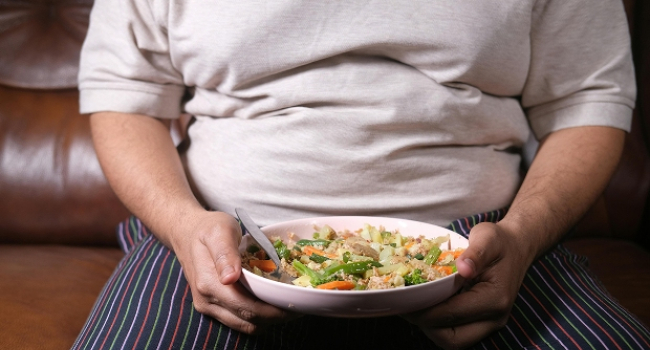
People living with obesity face a 70 percent higher risk of severe infectious diseases, according to a new study.
The likelihood of hospitalization or death from an infectious disease—such as influenza, COVID-19, pneumonia, or gastroenteritis—is increased for people with obesity, the study published in The Lancet reports.
“Since global obesity levels are expected to rise, the number of deaths and hospitalizations due to related infectious diseases will also increase,” said Solja Nyberg from the University of Helsinki, the study’s author.
She added that policies supporting a healthy lifestyle and weight reduction—such as access to affordable healthy food and opportunities for physical activity—are crucial to reduce the risk of severe infections and other obesity-related health problems, Euronews reports.
The study analyzed data from more than 67,000 adults in Finland and over 470,000 adults from the UK Biobank to investigate the link between obesity and severe infectious diseases.
Researchers measured participants’ body mass index (BMI) at the start of the study and divided them into three groups: normal weight, overweight, and obese.
The study found that the risk of hospitalization or death from any infectious disease was 70 percent higher in people with obesity compared to those with normal weight.
“Our finding that obesity is a risk factor for the broadest range of infectious diseases suggests that common biological mechanisms may be involved,” said study lead Mika Kivimäki from University College London.
He noted that obesity may impair the immune system’s ability to defend against infectious bacteria, viruses, parasites, or fungi, potentially leading to more severe illness.
At the same time, Kivimäki emphasized that further research is needed to confirm the mechanisms underlying these links.
The study also has limitations. Being observational, the identified associations cannot be directly interpreted as causal. The authors also noted that because the analysis relied on BMI, it did not fully account for other factors, such as fat distribution or metabolic disorders.





