
 make preferable
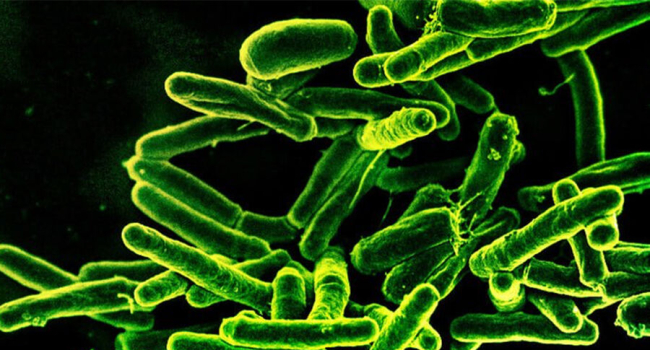
Scientists from the Araraquara School of Pharmaceutical Sciences (Brazil) have developed an experimental tuberculosis treatment that completely eradicated bacteria in the lungs of animals within 30 days. The results were published in ACS Omega.
The researchers tested a compound called ferroin—a complex of iron sulfate and ortho-phenanthroline. To improve its effectiveness and enable controlled release, the compound was encapsulated in lipid nanoparticles.
Laboratory experiments showed that this formulation can enhance the action of standard anti-tuberculosis antibiotics, including rifampicin and prothionamide. The compound damages bacterial cell walls, disrupting their viability—similar to the mechanism of penicillin.
Mouse trials demonstrated that the compound was more effective than isoniazid, one of the main antibiotics used in Brazil’s healthcare system. During the study, tuberculosis bacteria in the animals’ lungs were completely eliminated within one month.
According to the World Health Organization, tuberculosis remains the deadliest bacterial infection worldwide. Untreated, it kills about half of those infected. Standard treatment requires daily administration of multiple antibiotics for at least six months, and in cases of bacterial resistance, therapy may last up to two years.
The researchers note that long treatment durations often lead patients to stop medication early, contributing to antibiotic resistance and complicating therapy.
The authors emphasize that the new compound has only undergone preclinical testing so far. However, if its safety and effectiveness are confirmed in clinical trials, this technology could shorten tuberculosis treatment duration and reduce the risk of developing drug-resistant strains.





