
 make preferable
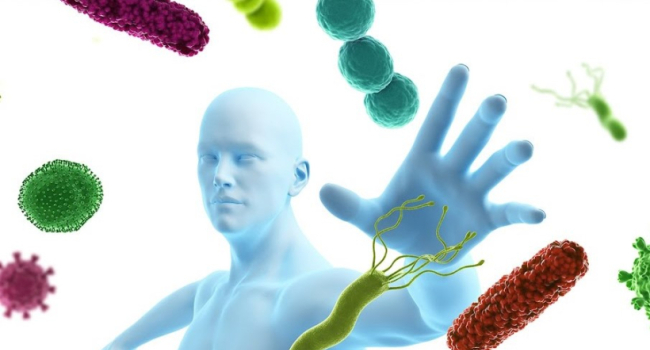
Sleep and diet are among the key factors that determine variations in the human immune system, scientists have concluded.
The results of the study were published in the journal Research.
Scientists conducted a study involving more than a thousand healthy participants, analyzing the influence of various exposures on the immune system using a multi-level approach that included analysis of immune phenotypes, the transcriptome, and the metabolome.
According to the study, environmental factors explain about 10.7% of the differences in immune status, making a significant contribution to understanding immune system variability beyond genetic factors. Among the 183 exposures examined, sleep and diet emerged as the dominant influences affecting the immune profile. They impact the proportions of innate immune cells as well as the expression levels of surface proteins on cells, such as CD85j and CD16.
Researchers also found that short and late sleep may increase the secretion of the pro-inflammatory cytokine interleukin-1β (IL-1β). Long-term sleep disruption can lead to chronic inflammation and more pronounced metabolic changes, which may have implications for chronic diseases. The study also showed that the effects of sleep on immunity are more often linked to changes in the transcriptome, whereas the influence of diet manifests through the metabolome—that is, through metabolic products and pathways.
Based on these relationships, scientists developed transcriptomic and metabolomic indices that make it possible to assess immune system status and potential risks of chronic diseases based on the combined effects of sleep and diet.
The authors note that their work provides a new map of the connections between lifestyle and immune profile, emphasizing that not only genetics but also habits such as sleep patterns and the quality of nutrition significantly affect a person’s immune status. These findings may help in the future to develop strategies for evaluating and managing health, aimed at improving immunity and preventing chronic diseases through the optimization of sleep and diet.





