
 make preferable
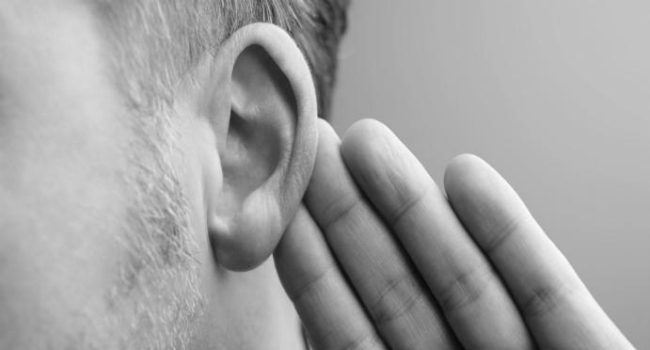
A direct causal link between hearing loss and the development of dementia has not been proven, despite common beliefs that deafness is a major risk factor, according to Medical Xpress.
Researchers note that cognitive decline and hearing impairment often occur simultaneously, but the mechanisms of their interaction are not fully understood. Common risk estimates highlight the scope of the problem at a societal level but do not mean that an individual with hearing loss will necessarily develop dementia. Age, genetics, and cardiovascular health are the main contributors to risk.
Experts emphasize the importance of clear communication, as misconceptions may arise from how dementia risk is calculated and presented, as well as from the specific description of study results. According to the publication, exaggerating the link between hearing loss and dementia can create unrealistic expectations and may discourage some people from seeking professional help.
The researchers suggested several ways in which hearing loss could affect cognitive function, including altering the brain’s information-processing pathways and reducing social engagement.
Hearing loss often accompanies dementia. If left untreated, it can also reduce the effectiveness of other forms of support, and hearing difficulties alone can make participation in group activities or therapy sessions more challenging. The study also notes that about 80% of people with hearing impairments live in low- and middle-income countries.
While the relationship between hearing loss and dementia continues to be studied, it is clear that deafness affects more than just cognitive function. Supporting individuals in improving their hearing can help them stay connected, engaged, and independent.





