
 make preferable
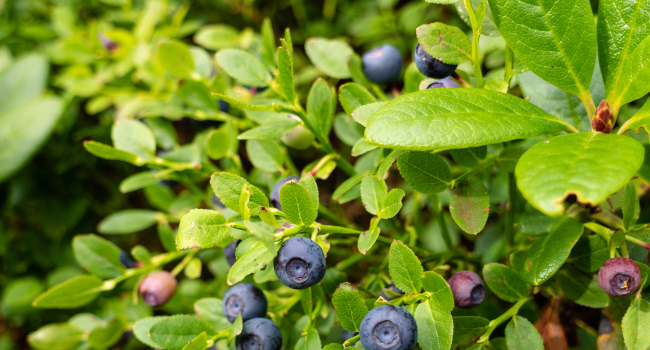
Regular consumption of wild blueberries may support heart and gut health and help reduce risk factors for chronic diseases, according to Medical Xpress.
Researchers report that wild blueberries contain high levels of polyphenols—biologically active compounds that have beneficial effects on the vascular system. Compared to cultivated blueberries, the wild variety contains about twice as many antioxidants, 72% more dietary fiber, and 33% more anthocyanins—substances linked to improved cardiometabolic health.
Professor of clinical nutrition Dorothy Klimis-Zacas noted that the optimal daily portion ranges from half a cup to one cup of berries. According to her, wild blueberries may help reduce inflammation and improve blood vessel function. Studies have shown that the berries affect the endothelium—a thin layer of cells lining the inner surface of blood vessels that regulates their dilation and constriction. Endothelial dysfunction is considered one of the factors contributing to cardiovascular disease.
In preclinical experiments, scientists found that animals with high blood pressure and obesity showed reduced inflammation and improved vascular health after six weeks of consuming wild blueberries. Additional analysis revealed that the berries may alter the structure of vascular tissue through glycoproteins—molecules involved in signaling between endothelial cells.
Researchers also examined the effects of wild blueberries on glucose and fat metabolism, inflammatory processes, and gut microbiota. According to the scientists, the findings suggest a potential role for these berries in supporting normal metabolic function.
The researchers note that the beneficial properties are preserved in fresh, frozen, and freeze-dried blueberries. Frozen berries are considered a convenient option, as they are typically frozen shortly after harvesting, which helps retain nutrients. According to experts, wild blueberries may be especially beneficial for people with risk factors for cardiovascular disease, including smokers and individuals with high blood pressure, obesity, diabetes, or lipid metabolism disorders.





