
 make preferable
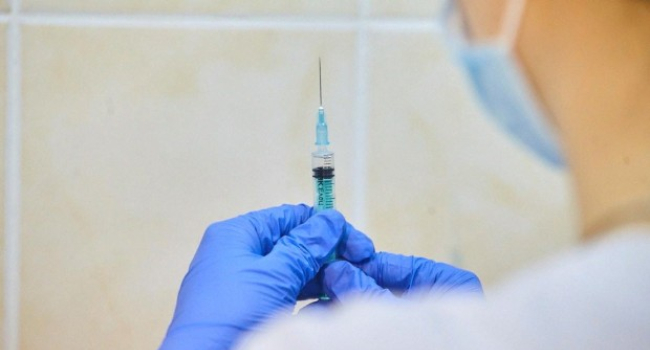
Following a deadly outbreak of meningitis B in the United Kingdom, demand for the vaccine has surged sharply. Long queues have formed at pharmacies, and private supplies of the vaccine have nearly run out. The outbreak has been recorded in the city of Canterbury, in the county of Kent. Two people have already died as a result of the disease, according to The Guardian.
Meningococcal meningitis is a form of meningococcal infection characterized by purulent inflammation of the brain’s soft and arachnoid membranes. The disease is particularly dangerous due to its rapid progression, the risk of damage to the central nervous system and other organs, and the possibility of long-term complications even after recovery.
Health authorities are working to contain the spread of the infection. Thousands of people who may have been in contact with those infected have been prescribed preventive antibiotics. Officials have declared the outbreak a national emergency. Experts warn that the number of cases could rise, as symptoms may appear 2 to 14 days after infection.
Amid growing public concern, demand for the meningitis B vaccine has increased dramatically. According to the National Pharmacy Association, private vaccine supplies have already been exhausted. Pharmacies report hundreds of inquiries from worried parents and students.
At one of the major pharmacies in northwest London — Landys Chemist — staff say they are receiving constant calls about vaccine availability, but wholesalers currently have no stock. Pharmacists note that some supplies may be redirected directly to the National Health Service (NHS) to ensure vaccination of high-risk groups.
Experts urge the public to remain calm. Representatives of the Royal Pharmaceutical Society note that meningitis spreads much more slowly than COVID-19, so vaccines and antibiotics should be prioritized for those who have had close contact with infected individuals.
Infectious disease specialists also remind the public of basic precautions. The bacteria that cause meningitis are transmitted through saliva, so people are advised not to share drinks, utensils, or vaping devices.





