
 make preferable
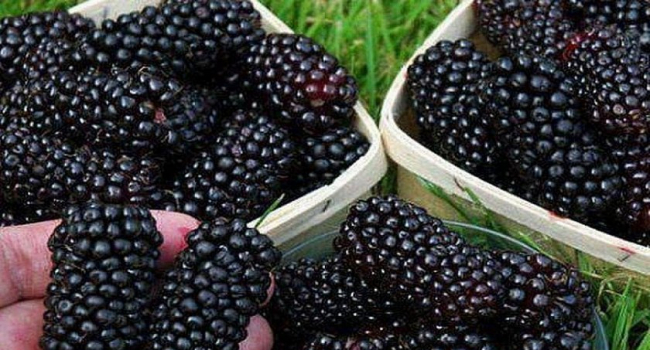
Anthocyanin extract from mulberry fruits may reduce the harmful effects of a high-fat, cholesterol-rich diet on the body. This conclusion was reached by researchers from Binzhou Medical University. The findings were published in the journal Frontiers in Nutrition.
The scientists studied how compounds from mulberry affect gut microbiota, inflammatory processes, and liver metabolism. Their main focus was on anthocyanins — natural pigments from the flavonoid group that give berries their dark color and are known for their antioxidant properties.
The experiment was conducted on mice with an increased risk of atherosclerosis, a condition in which cholesterol plaques form on the walls of blood vessels. Animals on a high-fat diet were additionally given mulberry anthocyanins.
The results showed that the supplement reduced levels of “bad” cholesterol and the inflammatory marker interleukin-1β. At the same time, the activity of the antioxidant enzyme glutathione peroxidase increased, helping protect cells from damage.
Changes were also observed in the gut microbiota. The animals showed an increase in bacteria associated with more favorable metabolism and a decrease in microorganisms previously linked to inflammation.
In addition, the researchers identified shifts in liver metabolism. After anthocyanin intake, levels of ATP — the molecule that serves as the main energy source for cells — and certain inflammation-related compounds decreased. Meanwhile, levels of the amino acid glutamine, which plays a role in tissue repair, increased.
According to the authors, these metabolic and microbiota changes may help reduce risk factors associated with atherosclerosis. However, they emphasize that the study was conducted on animals, so the results cannot yet be directly applied to humans.
Follow NEWS.am Medicine on Facebook and Twitter.





