
 make preferable
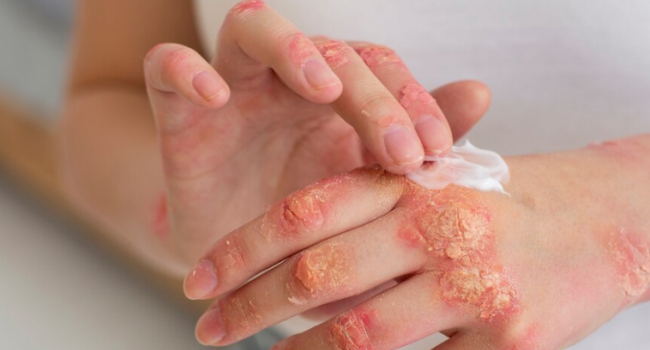
Researchers from Fudan University have identified a network of neurons that responds to stress by activating immune cells in the skin, leading to flare-ups of eczema symptoms, according to Scientific American.
The findings suggest that psychological stress can set off a chain of reactions that result in physical inflammation. Scientists found that certain neurons receive signals from the central nervous system involved in the stress response. In turn, these cells begin producing inflammatory proteins that attract immune cells known as eosinophils to skin tissue.
According to study co-author and neurobiologist Shenbin Liu, the research demonstrates how psychological stress can translate into a biological event, triggering skin inflammation.
The conclusions are based on an analysis of skin biopsies and blood samples from 51 patients with atopic dermatitis. Researchers found that participants reporting high stress levels showed more severe inflammation and higher eosinophil counts compared to those with lower stress levels.
To further confirm the mechanism, the team developed a mouse model of atopic dermatitis. When the animals were exposed to psychological stress, symptoms such as itching and redness worsened. Skin samples from the stressed group contained four times more eosinophils than those from the control group. Blocking the identified neurons prevented symptom worsening despite exposure to stress.
“This study linking stress and eczema is an important piece of the overall picture. However, the next step is to conduct similar research in humans,” said clinical dermatologist Wolfgang Weninger of the Medical University of Vienna.





