make preferable
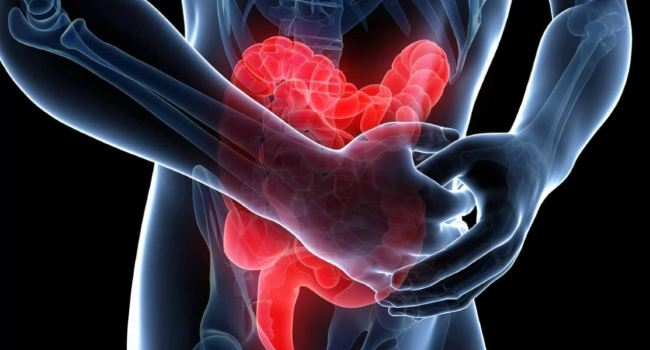
Could vitamin D help restore balance in the gut, particularly for those with inflammatory bowel disease (IBD)?
IBD is a chronic condition in which the body’s immune system mistakenly attacks the intestines, causing symptoms such as fatigue, abdominal pain, diarrhea, and unintended weight loss. Subtypes include ulcerative colitis and Crohn’s disease, and patients can experience intermittent flare-ups.
A small recent study published in Cell Reports Medicine investigated whether vitamin D supplementation could support immune tolerance in people with IBD. Researchers studied 48 adults with either ulcerative colitis or Crohn’s disease who also had low vitamin D levels. Over 12 weeks, participants received weekly vitamin D doses, with blood and stool samples collected at the start and end of the study.
The study measured disease activity, quality of life, and inflammation markers, including C-reactive protein, as well as two key immunoglobulins, IgA and IgG. IgA helps regulate gut bacteria, while IgG is associated with pro-inflammatory responses.
Results showed that vitamin D supplementation helped “reset” the immune system’s interaction with gut microbes, increasing IgA and lowering IgG levels. Participants also experienced lower disease activity scores and reduced stool-based inflammation markers, reflecting an overall improvement in symptoms.
Experts note that vitamin D appears to shift the immune response from an inflammatory IgG-driven pattern to a more tolerogenic IgA-mediated one, enhancing immune tolerance rather than simply suppressing inflammation. However, the study was small, non-randomized, and short-term, so larger controlled studies are needed to confirm these findings.
While these results are promising, specialists emphasize that vitamin D should not be seen as a standalone treatment for IBD. Patients with low vitamin D levels may benefit from supplementation alongside standard therapies, but more research is needed to determine optimal doses and long-term effects.