make preferable
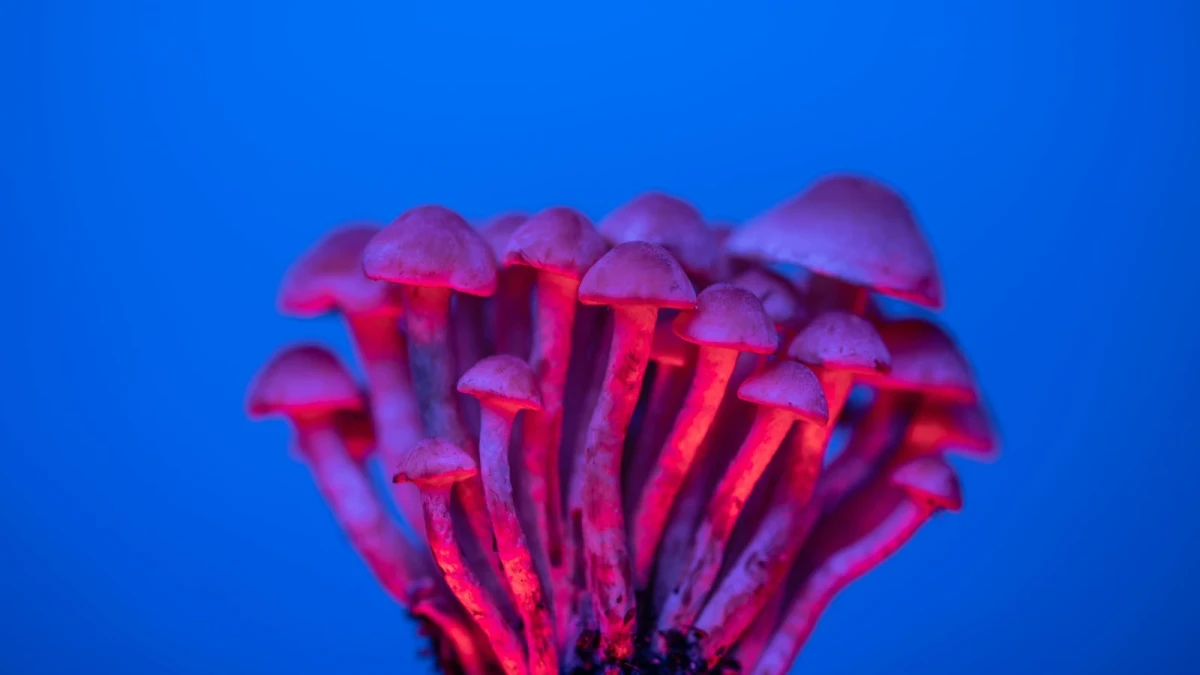
Psilocybin, a psychoactive substance found in certain mushrooms, may reduce anhedonia—the loss of the ability to experience pleasure and interest in everyday life—in people with treatment-resistant depression. Researchers at the University of Colorado Anschutz Medical Campus reached this conclusion. The study’s findings were published in the Journal of Affective Disorders.
Anhedonia is considered one of the most difficult-to-treat symptoms of depression. It interferes with the ability to enjoy familiar activities, interact with others, and find meaning in everyday life, even when other symptoms of the illness subside.
The randomized, double-blind study involved 20 people with major depressive disorder who had not responded adequately to previous treatment. Participants received either 25 mg of psilocybin or a low dose of 1 mg. In both cases, treatment was accompanied by psychological support.
After eight weeks, participants who received 25 mg of the substance showed significantly greater improvement in anhedonia scores than those in the low-dose group. However, after one week, no statistically significant difference between the groups was found on the primary measure of anhedonia. The result at week eight should therefore be considered preliminary: it came from an assessment of a secondary rather than the study’s primary outcome.
Participants who received the higher dose also showed greater reductions in overall depression severity one and eight weeks after treatment.
According to Andrew Novick, an associate professor in the Department of Psychiatry at the University of Colorado, depression manifests in different ways, and individual symptoms may respond differently to treatment. Studying anhedonia can help clarify which specific symptoms of the illness may respond to psychedelic therapy.
The researchers emphasize that the work is preliminary. Only 20 people took part, so larger trials are needed to confirm the findings, assess how long the effect lasts, and determine psilocybin’s role in treating treatment-resistant depression.