
 make preferable
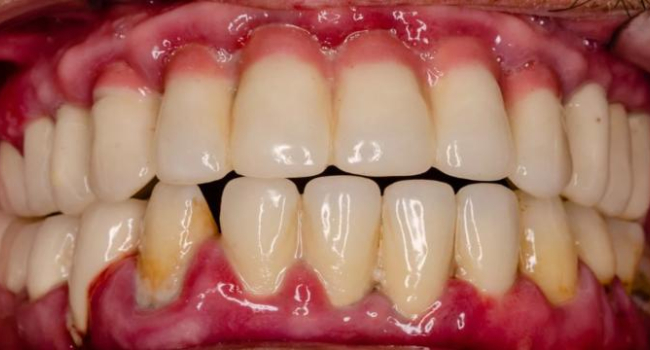
Researchers from the University of Cincinnati have found that gum diseases—such as periodontitis and gingivitis—can worsen the condition of patients with chronic kidney disease (CKD). The study was published in BMC Nephrology.
The scientists note that gum disease and CKD share similar mechanisms. Both conditions are linked to chronic inflammation, immune system dysregulation, and microbial imbalance.
Gingivitis develops when bacterial plaque accumulates along the gum line. Toxins and enzymes released by bacteria trigger an inflammatory response not only in the gums but throughout the body, negatively affecting kidney function. When this inflammation progresses deeper into the tissues, gingivitis can develop into periodontitis.
The study found that patients with both CKD and gum disease are more likely to experience other serious health problems, such as diabetes and hypertension. Having multiple chronic conditions complicates treatment and increases the risk of hospitalization.
“Dental monitoring is particularly important for people with advanced CKD—for example, those undergoing dialysis or awaiting a kidney transplant. Oral infections can complicate surgical preparation and affect outcomes,” the researchers explained.
Regular dental check-ups and timely treatment of gum disease can reduce the risk of complications and improve overall health for patients with CKD.
The authors emphasize that dental care should be an integral part of comprehensive treatment for CKD patients. Integrating dentistry and nephrology could help reduce systemic inflammation and improve patients’ chances of successful transplantation and overall recovery.





