
 make preferable
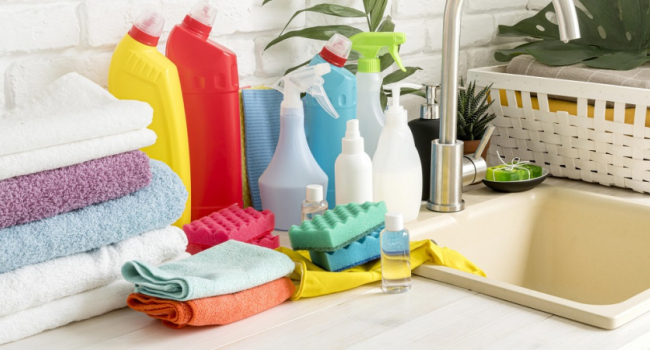
A recent study suggests that inhaling particles from everyday cleaning products could cause more severe lung damage than accidentally ingesting them.
Researchers at the University of California, Davis, studied the effects of quaternary ammonium compounds (QACs)—chemicals found in hundreds of disinfectant sprays sold in the UK, including popular brands like Lysol and Clorox. QACs have been used since the 1940s and were previously known to be toxic if swallowed.
The study found that when inhaled, QACs can be far more damaging to the lungs than oral exposure. Laboratory tests on mice exposed to airborne QAC levels comparable to human use showed 100 times more lung injury and lethality than if the compound had been ingested.
“The striking finding is that inhalation caused dramatically higher lung damage compared with oral ingestion,” said Dr. Gino Cortopassi, biochemist and pharmacologist at UC Davis and lead author of the study. “This raises serious questions about the widespread use of QAC-based sprays in everyday environments.”
Previous research by the team revealed that around 80% of people have detectable QAC traces in their bloodstream. These compounds may interfere with how cells generate energy. A 2021 study showed that individuals with higher QAC levels had lower mitochondrial energy production, which is associated with chronic fatigue, muscle weakness, and brain fog.
QAC exposure is also linked to skin and eye irritation, inflammation, metabolic disruptions, and respiratory conditions such as asthma and chronic obstructive pulmonary disease (COPD).
The findings suggest caution when using QAC-based cleaning products, particularly in poorly ventilated areas, due to the potential for serious respiratory harm.





