
 make preferable
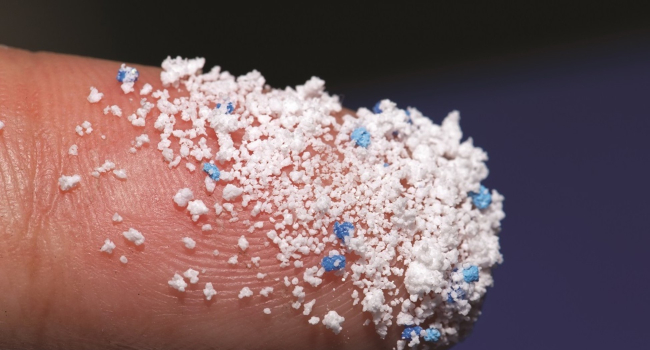
A new analysis suggests that microplastics have become deeply embedded in everyday life, with human exposure potentially beginning even before birth.
The report, supported by the Plastic Soup Foundation and the Flotilla Foundation, states that people are constantly exposed to microplastics both indoors and outdoors, as well as through a growing range of unexpected sources.
Researchers argue that plastic pollution should not be viewed solely as an environmental concern, but rather as an ongoing, systemic crisis that affects multiple aspects of modern society.
According to the findings, microplastics are widespread, often invisible, and capable of carrying complex mixtures of chemicals. They are present in nearly all areas of daily life, with exposure beginning as early as the prenatal stage.
The analysis reviews more than 350 peer-reviewed studies and concludes that significant microplastic release occurs across five main categories: food and food-related sources, indoor environments, outdoor activities, children’s products, and personal and healthcare items.
For instance, the report highlights that medical settings may unintentionally expose patients to microplastics through devices and treatments. In operating rooms, airborne plastic particles have been recorded at levels as high as 9,258 per square meter during a single shift. Equipment such as cardiac catheters, silicone breast implants, orthopedic implants, and intravenous fluids are identified as potential contributors.
The study also notes that premature infants receiving intravenous nutrition in neonatal care units could be exposed to up to 115 microplastic particles within 72 hours, solely from infusion systems.
In addition, children’s products — including building blocks and play mats — are identified as a notable source of exposure. Even common indoor materials like paint are mentioned as another unexpected pathway for microplastic contact.





