
 make preferable
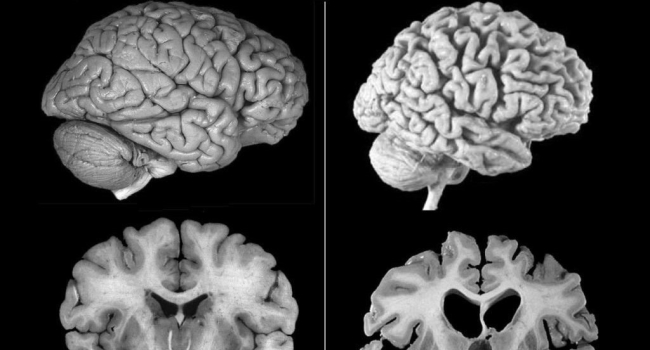
The presence of the APOE4 gene variant may alter how neurons function long before symptoms of Alzheimer’s disease appear. This conclusion was reached by scientists from the Gladstone Institutes of Neurological Disease. The study was published in the journal Nature Aging.
It is known that carrying one or two copies of APOE4 significantly increases the risk of developing the disease. However, until now, it remained unclear which processes are triggered in the brain at the earliest stages.
The researchers studied the brains of young mice with this gene and identified changes in the hippocampus—the region responsible for memory. Neurons in this area were smaller in size but more active than normal. This hyperactivity makes the cells more excitable and disrupts the functioning of neural circuits.
“To our knowledge, this is the first study to directly show how APOE4 affects neuron function across different ages,” said the study’s senior author, neurobiologist Misha Zilberter.
At early stages, the animals still retained normal memory and learning ability. However, the observed changes predicted the development of cognitive impairments later in life.
The scientists also compared mice carrying APOE4 with those carrying the APOE3 variant, which is associated with a lower disease risk. They found that in APOE3 carriers, neurons also became more active—but only in old age and without significant cognitive decline.
A key role in the observed changes was played by the protein Nell2. Its levels were significantly elevated in the neurons of mice with APOE4. According to the researchers, this protein may trigger premature changes in the brain.
When scientists suppressed Nell2 production, the neurons recovered—their size and activity returned to normal.
“It is especially important that we were able to reverse disease manifestations in adult mice by reducing the levels of this protein,” noted neurobiologist Yadong Huang. “This suggests that the damage may be reversible and that there is a window for intervention even after pathological processes have begun.”
Elevated levels of Nell2 had previously been observed in the brains of Alzheimer’s patients, but this is the first time the protein has been directly linked to the action of APOE4.
According to researchers, carriers of this gene variant account for up to 75% of Alzheimer’s cases, making the study of its mechanisms one of the key directions in modern neuroscience.
The authors believe that these findings could form the basis for new early-treatment approaches aimed at preventing cognitive decline before the first symptoms appear.





