
 make preferable
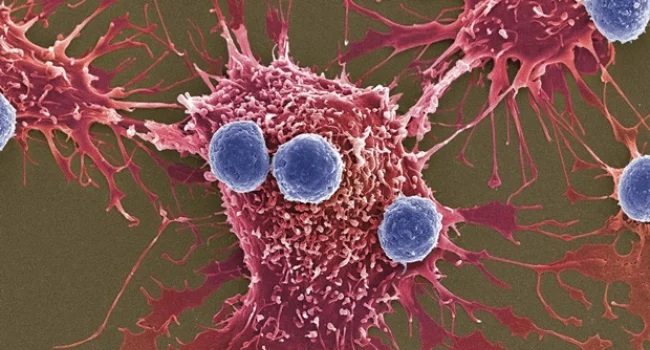
A new study, published in the journal Journal of Extracellular Vesicles, has shown that proteins contained in so-called extracellular vesicles (EVs) may hold the key to developing new anti-cancer drugs and even repurposing existing medications.
Extracellular vesicles are tiny “bubbles” released by cells that act as a form of communication system between them. They carry proteins, DNA, and other molecules, influencing the behavior of other cells, including cancer cells.
The researchers focused specifically on the protein composition of vesicles released by tumor cells. Using advanced proteomics techniques (large-scale protein analysis), they were able to identify specific proteins associated with receptor kinases—important molecules that regulate tumor growth and survival.
The key finding: these proteins can be used as drug “targets.” In other words, they help identify which mechanisms support tumor growth—and therefore where therapy should be directed. Moreover, the study suggests that some existing drugs could potentially be used against other types of cancer if they act on the same protein pathways.
This is particularly important because developing new drugs is a long and costly process. The possibility of repurposing already approved medications could significantly accelerate the emergence of new treatment options.
The authors emphasize that their approach creates a kind of “map of cancer vulnerabilities”: by analyzing the contents of extracellular vesicles, it is possible not only to better understand tumor biology but also to predict in advance which drugs will be most effective for a particular patient.
More broadly, this work is part of a growing trend in oncology: using natural mechanisms of intercellular communication (such as EVs) for diagnosis and treatment. These structures are already being considered promising drug delivery vehicles due to their biocompatibility and ability to penetrate hard-to-reach tissues.





