make preferable
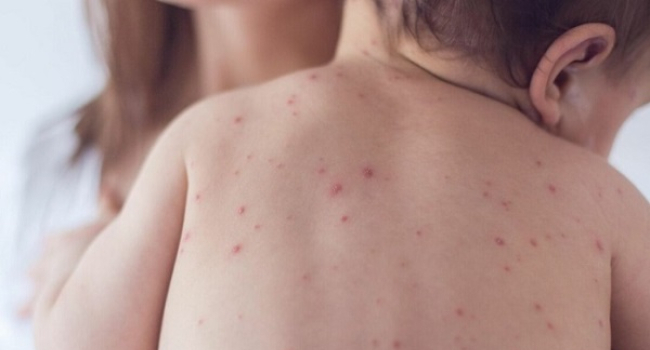
The United States is on the verge of losing its status as a country free from endemic measles transmission following a sharp rise in cases and ongoing outbreaks across multiple regions of the country. The findings were published in The Lancet.
The US has officially held the status of a “country free from endemic measles transmission” since 2000. This status does not mean the absence of imported cases, but rather that the virus has not spread continuously within the country for more than 12 months. That condition is now under threat.
According to recent data, the country has seen a steady increase in measles cases. Outbreaks have been reported in several states and are often linked to insufficient vaccination coverage in certain communities.
Epidemiologists note that prolonged domestic transmission of the virus — rather than isolated imported cases — is the key risk factor for losing the status.
Experts emphasize that the situation in the US reflects a broader trend: declining vaccination rates in some regions are creating conditions for the virus to re-establish itself within the population. Measles remains one of the most contagious viruses, and maintaining herd immunity requires a very high level of vaccination coverage.
The final decision on whether the country retains or loses its status is made by international health organizations based on long-term epidemiological data, including analysis of chains of virus transmission.