
 make preferable
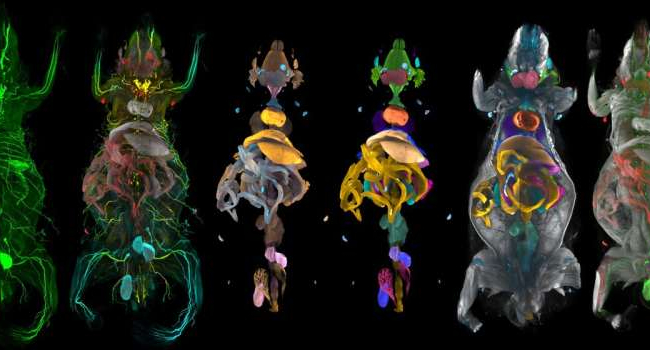
A new study suggests that obesity affects far more than fat storage and metabolism, triggering widespread structural and immune-related changes throughout the body that may contribute to diseases such as diabetes, cardiovascular disorders, cancer, and nerve damage.
Researchers from Helmholtz Munich and Ludwig Maximilian University of Munich developed an artificial intelligence platform called MouseMapper, capable of analyzing entire organisms at cellular resolution. The findings were published in Nature.
The new system combines deep-learning algorithms with whole-body imaging techniques, allowing scientists to automatically identify and map 31 organs and tissue types, along with immune cells and nerve structures across the entire body of laboratory mice.
To build these detailed maps, researchers used fluorescent markers to label nerves and immune cells, then applied tissue-clearing technology to make the mice transparent while preserving microscopic structures. Advanced light-sheet microscopy produced three-dimensional scans containing millions of cellular details.
Using this approach, scientists discovered that obesity caused widespread changes in immune activity and nerve architecture across multiple tissues, including fat, muscle, liver, and peripheral nerves.
One of the most striking findings involved the trigeminal nerve, which controls facial sensation and certain motor functions. In obese mice, researchers observed a significant reduction in nerve endings and branches, suggesting impaired nerve function. Behavioral tests also showed reduced sensitivity to sensory stimulation compared with lean mice.
Further molecular analysis revealed inflammatory and structural changes in the trigeminal ganglion — the cluster of nerve cells connected to the trigeminal nerve. Importantly, many of the same molecular signatures were also found in tissue samples from people with obesity, indicating that similar nerve alterations may occur in humans.
The researchers believe the MouseMapper platform could help scientists better understand complex diseases that affect multiple organ systems simultaneously, including obesity, diabetes, neurodegenerative disorders, autoimmune diseases, and cancer.
According to the authors, the long-term goal is to create highly detailed digital models of organisms that could help identify the earliest stages of disease and accelerate the development of new treatments while reducing the need for animal experiments.





