make preferable
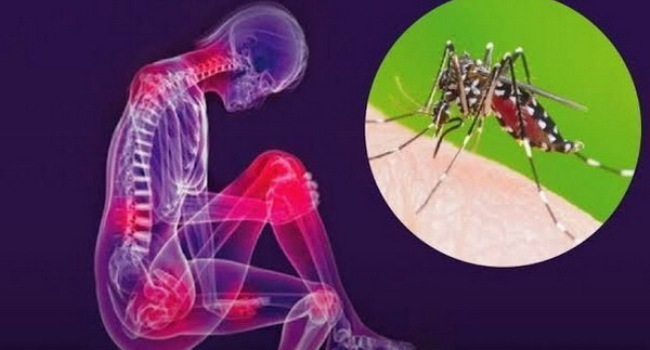
A new study suggests that climate change could significantly expand the global reach of chikungunya, potentially allowing the mosquito-borne disease to spread into temperate regions such as central Europe, northeastern North America, and East Asia by 2100.
Chikungunya is a viral disease transmitted by Aedes mosquitoes and is classified by the World Health Organization as a neglected tropical disease. Symptoms typically include high fever, severe joint pain, muscle aches, fatigue, headache, nausea, and skin rash.
According to the European Centre for Disease Prevention and Control, around 33,000 symptomatic chikungunya cases and nine deaths have been reported worldwide so far in 2026, with most infections occurring in South America. Currently, the virus is not considered endemic in Europe or North America, where cases are mainly linked to travelers returning from tropical areas.
Researchers from China analyzed tens of thousands of global records on chikungunya and its mosquito carriers, using climate projections developed by the IPCC to estimate how the disease could spread under various future warming scenarios.
The study found that climate change may primarily affect chikungunya transmission by expanding the habitat of the Asian tiger mosquito (Aedes albopictus), which tolerates cooler temperatures better than the yellow fever mosquito (Aedes aegypti). Scientists said this mosquito could establish itself in regions that were previously too cold, increasing the risk of local outbreaks.
The researchers identified north-central Europe, northeastern North America, and eastern Asia as likely future hotspots across multiple climate scenarios. They urged public health authorities in these regions to strengthen mosquito surveillance, improve outbreak preparedness, and train healthcare workers to recognize the disease before it becomes more widespread.
The authors stressed that there is no immediate reason for public panic, but said governments should begin preparing now to reduce the risk of future epidemics. They added that limiting global warming and improving mosquito-control measures could help prevent large-scale outbreaks.