
 make preferable
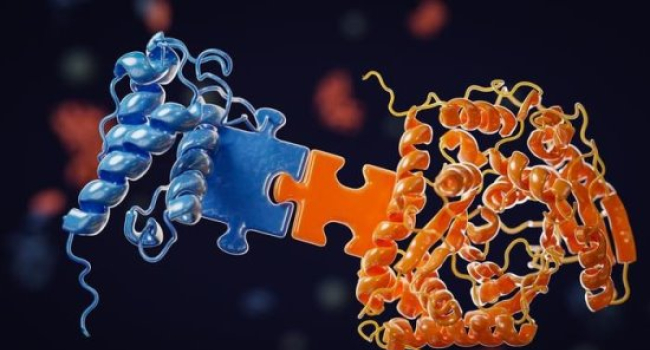
A team of researchers from the University of Warwick and Monash University has solved a longstanding mystery that has challenged drug developers for decades: how bacteria naturally produce multiple versions of powerful anticancer compounds. The discovery could accelerate the development of treatments for cancers that are difficult to treat.
Harnessing bacterial enzymes to generate new drug variants—a strategy known as combinatorial biosynthesis—has long been a major goal in drug discovery. However, progress has been limited by an incomplete understanding of how these enzymes interact.
In a study published in Nature Communications, the researchers revealed how bacterial enzymes cooperate to produce a family of closely related anticancer molecules. This family includes romidepsin (Istodax), an FDA-approved drug used to treat certain blood cancers. By uncovering the underlying "mix-and-match" mechanism and recreating it in the laboratory, the team developed a new framework for designing novel therapeutic compounds.
"For decades, we have known that bacteria can naturally produce multiple versions of potent anticancer drugs, but we had no idea how they accomplished this," said the study's first author, Dr. Munro Passmore, a research fellow in the Department of Chemistry at the University of Warwick. "This work finally reveals the secret. It provides the breakthrough we needed to begin engineering these compounds."
The researchers found that small molecular regions known as domain junctions act as connectors between the core drug-assembly machinery and the enzymes responsible for generating structural variations. Importantly, these junctions use a highly conserved interface that is compatible with a wide range of enzymes. This feature explains how bacteria are able to generate remarkable structural diversity while maintaining the precision and efficiency of their biosynthetic processes.
The study also sheds light on the natural evolution of drug-producing systems. The researchers discovered that one newly identified biosynthetic pathway likely evolved from a related system through gene duplication and genetic recombination.
Professor Greg Challis, a senior author of the study, said the findings provide a blueprint for improving on nature's own strategy.
"This research gives us a roadmap for doing what nature does—but better and faster. By reverse-engineering nature's evolutionary logic, we can design synthetic biosynthetic pathways to create anticancer drugs with properties optimized for clinical use, including greater potency, improved selectivity, and fewer side effects. Our immediate goal is to build an expanded library of drug candidates for the treatment of a wide range of cancers."





