make preferable
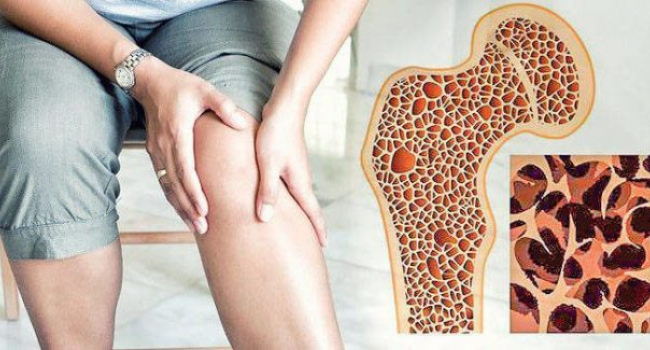
An international team of researchers has created the most detailed map to date of the cells and genes involved in bone formation and breakdown, uncovering hundreds of previously unknown genes associated with bone health. The study, published in Nature Genetics, also revealed an unexpected role for blood vessel cells in bone regeneration.
To conduct the research, scientists combined single-cell RNA sequencing with genetic and bone mineral density data from nearly 500,000 participants in the UK Biobank.
The analysis identified 34 distinct cell populations involved in bone remodeling and mapped the genes that are active within each of them. More than half of the identified genes had never before been linked to bone health or skeletal maintenance.
One of the study's most surprising findings involved cells surrounding blood vessels. Researchers discovered that these cells play a much more important role in bone repair and regeneration than previously recognized.
According to the authors, the human skeleton is completely renewed approximately every ten years, yet the biological mechanisms underlying this continuous remodeling process remain incompletely understood. Most currently available treatments for bone diseases primarily slow bone loss but are unable to restore bone that has already been lost.
The researchers believe that their findings could pave the way for new therapies that actively stimulate bone formation in conditions such as osteoporosis, osteoarthritis, osteogenesis imperfecta, and other skeletal disorders.
The study may also have important implications for cancer research. Bone tissue is a common site where cancer cells can remain dormant before becoming active again, and a better understanding of the bone microenvironment could help researchers develop new strategies to prevent or treat bone metastases.