make preferable
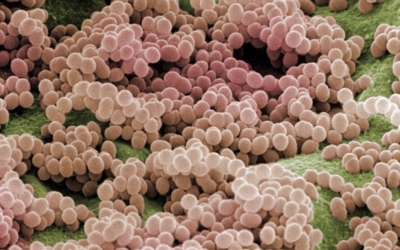
Fat has been much maligned for promoting weight gain and raising cholesterol. However, a new study has found fat is not all bad, helping people fight infections. U.S. researchers made the surprising discovery that fat cells below the skin help protect against bacteria.
Professor Richard Gallo, of UC San Diego School of Medicine, uncovered the previously unknown role for fat cells known as adipocytes. He revealed they produce molecules called antimicrobial peptides that help fend off invading bacteria and other pathogens.
Previous research has led scientists to believe that once the skin is broken, white blood cells called neutrophils and macrophages protect people from bacteria entering the blood stream and causing blood poisoning.
'But it takes time to recruit these cells to the wound site,' Professor Gallo explained. 'We now show that the fat stem cells are responsible for protecting us. That was totally unexpected. It was not known that adipocytes could produce antimicrobials, let alone that they make almost as much as a neutrophil.'
The human body's defence against infection is complex, multi-tiered and involves numerous cell types. The response culminates in the arrival of neutrophils and monocytes - specialised cells that target and devour pathogens. But before these circulating white blood cells arrive at the scene, the body requires a more immediate response as many microbes are able to rapidly increase in number.
As part of the new study, the researchers exposed mice to an infection called Staphylococcus aureaus (S.aureus). S. aureus is a common bacterium and major cause of skin and soft tissue infections in humans. The emergence of antibiotic-resistant forms of S. aureus is a significant medical problem worldwide.
In his previous work, Professor Gallo observed S. aureus in the fat layer of the skin, so researchers looked to see if the fat below the skin – called subcutaneous fat - played a role in preventing skin infections.
Within hours, researchers detected a major increase in both the number and size of fat cells at the site of infection in the mice exposed to the S. aureus infection.
More importantly, these fat cells produced high levels of an antimicrobial peptide (AMP) called cathelicidin antimicrobial peptide (CAMP). AMPs are molecules used by the innate immune response to directly kill invasive bacteria, viruses, fungi and other pathogens.
The scientists confirmed their findings by analysing S. aureus infections in mice unable to either effectively produce fat cells called adipocytes or whose fat cells did not create sufficient antimicrobial peptides in general, and CAMP in particular.
In all cases, they found the mice suffered more frequent and severe infections.
Further tests confirmed that human adipocytes also produce cathelicidin, suggesting the immune response is similar in both rodents and humans.
Interestingly, obese subjects were observed to have more CAMP in their blood than subjects of normal weight.
The potential applications of the findings will require further study, said Professor Gallo.
The research was published in the journal Science.