make preferable
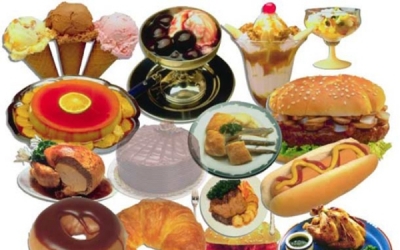
Susan Levin, director of nutrition for the advocacy group Physicians Committee for Responsible Medicine has come up with a list of five key foods and food groups that contain high levels of artificial trans fats, which are formed when food makers turn liquid oils into solid fats in a process called hydrogenation, which increases a food's shelf life but also pumps the body full of artery-clogging fat, Newsmax Health reports.
Baked goods, snack foods: Most grain-based crackers, cookies, cakes, desserts, and other boxed and processed baked goods and snack foods contain at least some levels of trans fats.
"This is a huge source," says Levin. "This is why they even invented trans fats in first place — to make all of these foods shelf-stable."
Fast food: Many chain restaurants have moved away from trans fats, using healthier alternatives to fry foods. But even so, many fast-food products are still deep-fried in hydrogenated oil.
Margarine: Many oil-based vegetable shortenings, artificial butter alternatives, and stick margarines are loaded with trans fats.
Dairy: Milk, cheese, ice cream, and other dairy products are key sources of natural trans fats and the No. 1 source of saturated fat in the American diet (trans fat is a type of saturated fat
"We don't need any saturated fat in our diet and everyone agrees that we need to eat as little as possible," Levin says. "Natural trans fats are in ice cream, cream cheese, solid cheese, and whole milk."
Meat: They may not be the first things that spring to mind when you think of trans fats, but animal products — steak, beef, and chicken — all contain natural trans fats.
"If you are going to be eating these foods out of boxes, bags, and cartons, you need to be a food label reader," advises Levin. "If the food label says it has partially hydrogenated anything, it still has trans fats."
"I think something everyone can agree on is that people should be consuming fewer products out of bags and boxes and cartons, and eating more foods that are whole foods — fruits, vegetables, and beans —that actually protect against disease and lower your risks."