make preferable
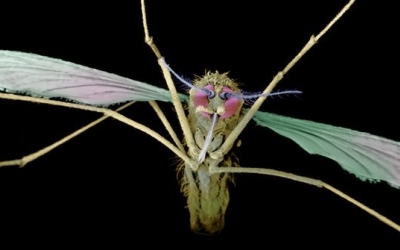
In South East Asia, malaria parasites have developed tolerance to the treatment, and there are fears that this will spread. Scientists have revealed mutations in the parasite genome linked to the treatment with the main drug artemisinin, The article on genetic resistance was published in Nature Genetics.
When the first malaria drug, chloroquine, was developed, researchers thought that the disease would be eradicated within years. But soon the drug became useless as the parasites developed tolerance to it. It has started on the Cambodia-Thai border, then spreading across Asia and into Africa.
Now this appears to be happening again with artemisinin, a drug that has transformed malaria treatment.
Cases have been confirmed in Thailand, Cambodia, Laos, Vietnam and Myanmar.
In order to find out the mutations in the genes of the parasites, an international team of scientists have analysed 1,612 samples from 15 locations in Asia and Africa. They confirmed that mutations on a gene called kelch13 are strongly associated with malaria resistance. But there are also three mutations that work in concert with the kelch13 mutation.
Scientists are afraid that resistance can spread to the South from Sahara, if it doesn't stop on time.
According to the date of The World Health Organization (WHO), the number of deaths from the disease have halved since 2000. Since 2013 600 thousand people have died from malaria, most of them were African children.