make preferable
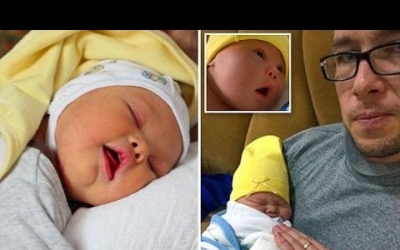
(Opinion piece) The story of the father who refused to give up his son born with Down syndrome has been in the focus of everyone’s attention these days.
The father, Samuel Forrest, has created a GoFundMe page called "Bring Leo Home" in a bid to raise funds for the costly move to his native country of New Zealand. His initial target was $60 000 – he said that money would help him not only move to NZ but also to be able to “care for Leo fulltime himself for at least a year.” But people were so touched by his story that in 14 days his page raised $496 975 (donated by 17 723 people).
What will this money be spent on?
Down syndrome cannot be treated -- unfortunately, there is nothing the modern medicine can do to help people born with it, and the situation is unlikely to change within following 50 years. So the father will not spend this money on treating the baby, and the money will just give him the opportunity to not work (by the way, he did not work in Armenia, too) and “provide full-time care for Leo”. Alternatively, he could just find a nurse for the baby.
Mr Forrest himself wrote on his GoFundMe page: “Of course this (money) is for Leo, but it is also for the people of Armenia.” Well, yes, actually, among the people of Armenia there are many children who need treatment and surgeries that could change their lives and make them feel better. Many children here cannot afford important treatments, yet even the smallest part of the money raised by Mr Forrest could help save their lives.
For example, NEWS.am Medicine once wrote about the 7-years-old girl Mary who had a strange illness that could not be treated by Armenian doctors; the girl needed an operation in Germany, yet there were not so many people ready to donate money to help her.
There was also the girl from Karvachar – she had lost her hearing, and now she can hear again, thanks to the efforts of kind-hearted doctors and journalists who helped her; for some strange reason there were not many donations for her either, though she is a “little angel” and “god’s blessing” just like the baby born with Down syndrome.
Why are people ignoring such children even though their donations would help them get well, live, become adults and find their place in the world? Is it just because their stories are not as dramatic and touching as the story of the father who did not wish to abandon his own son?
Anyway, Samuel Forrest will soon get the opportunity to explain what he meant by saying, “it is also for the people of Armenia.” Was he just saying this or is he ready to help at least one child who needs treatment and cannot afford it?
A. Hunter