
 make preferable
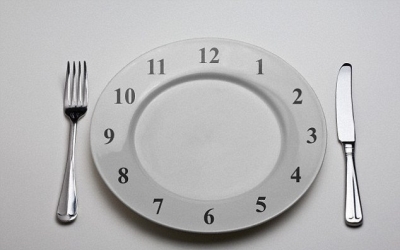
Eating three meals a day is as much a part of our routine as getting up in the morning and going to sleep in the evening.
Now, experts have warned eating breakfast, lunch and dinner may be damaging our health.
In fact, there is no evidence eating three square meals a day is beneficial to the body’s needs for energy, the website Mother Jones reports.
In fact, skipping meals and fasting could actually be better for health than sticking to rigid eating patterns.
Historian Abigail Carroll told journalist Kiera Butler that these meals are cultural constructions European settlers enforced on Native Americans.
In her new book, ‘Three Squares: The Invention of the American Meal’, Ms Carroll said the settlers ate meals at regimented times and considered this more ‘civilised’ than the natives whose eating patterns varied with the seasons, and included fasting.
A quirk of history has meant this pattern has been heralded as healthy, when in fact there is no evidence for this assertion, Ms Carroll said.
For example, breakfast is considered the most important meal of the day largely due to advertising campaigns by cereal and juice companies, she claims.
In fact, a 2014 study by the University of Bath found whether or not a person ate breakfast had zero effect on the overall calories they consumed in a day.
Those who ate breakfast did burn more calories than those who skipped it, but they burned off the extra calories later in the day, meaning the net calorie consumption was the same.
Similar University of Alabama research found eating breakfast or not made no difference to dieters trying to lose weight.
And last year, MailOnline reported on research published in the journal Cell Metabolism, which found eating meals within an eight hour window each day could help a person shed weight.
Mice fed a high-fat diet within an eight hour time frame – for example between 9am and 5pm – were both healthier and slimmer than those given the same number of calories throughout the whole day.
Even when obese mice had their eating window reduced to nine hours, they were able to drop five per cent of their body weight within a few days – while still enjoying the same amount of calories.
Whether a person eats three large meals a day or six smaller ones makes no difference to their overall calorie count, a 2010 study published in the British journal of Nutrition found.
Researchers found no weight or hormonal differences between the two groups.
Last year, a University of Warwick study found no difference between women who ate two meals a day and another group that ate five.
And new research suggests fasting - deemed 'uncivilized' by the European settlers - could actually be healthy.





