make preferable
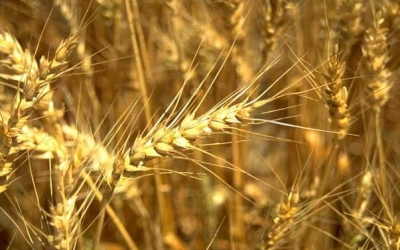
Einkorn (contains gluten): Pronounced like “fine corn” without the “f,” it is the oldest form of wheat known to man. Einkorn is exceptionally drought-tolerant and grows in otherwise infertile areas in Europe. Cultivation in the United States is just beginning. Genetically different from our usual wheat, einkorn is higher in protein, lower in starch, and contains gluten that is easier to digest. Bake with einkorn flour, substituting it for wheat flour in recipes. Or, eat cooked einkorn berries as a cereal or pilaf.
Kamut (contains gluten): An ancient variety of wheat, kamut (pronounced “kah-MOOT”) is higher in protein than regular wheat, and is a nutritious source of fiber, magnesium, iron, selenium, and zinc. A study published in the European Journal of Clinical Nutrition found that kamut helped reduce cholesterol, blood sugar, and levels of chronic inflammation. Kamut has a nutty taste and the grains, called berries, retain their texture when cooked, making them a good addition to soups, stews, salads, or pilafs, or a side dish in place of rice. Or, use kamut flour in baking.
Farro (contains gluten): Also called emmer, farro has a nutty, chewy texture and was a staple of Roman legions. An ancient type of wheat, farro is higher in protein and fiber than regular wheat, and a good source of magnesium, vitamin B3, and zinc. Add it to stews, salads, or serve as an alternative to rice or risotto. Cook 1 cup of farro in 3 cups of water or stock, simmering for 30 minutes.