make preferable
If you find yourself gassy, tired, or puffy around the middle, take a peek at what's on your plate—it could be that one of these 5 foods ahead is the culprit.
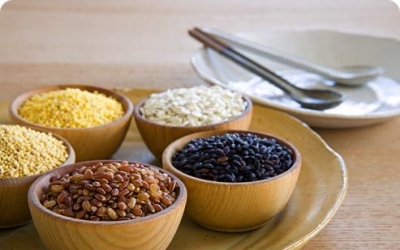
Whole grains If ditching refined, white carbs is the obvious healthy choice, then why is it that whole-wheat toast or linguine can still make us feel heavy? Turns out the reason whole grains are so good for you can also be their potential flaw: fiber. Fiber is an indigestible carbohydrate and quickly increasing your intake or eating too much at once can cause gas, bloating, and belching, explained nutritionist Kristin Kirkpatrick, RD, wellness manager at the Cleveland Clinic. Plus, carbs make you hold on to water, which can contribute to that sudden my-pants-don't-fit feeling after a meal. If you're making the switch or upping fiber in your diet, increase it slowly to give your body time to adjust and drink water with any fiber-rich meal to help move digestion along.
Green tea Green tea has been revered for so long for its health superpowers—it could slash risk for many cancers and help lower blood pressure—that it's hard to imagine any drawbacks. But for some people, the caffeine in green tea can be a sneaky culprit for abdominal distress.
"Like coffee, green tea contains caffeine, a diuretic that could cause nausea," Cavuto said.
If your cup of tea is causing you to be woozy, switch to some non-caffeinated herbal varieties like chamomile and peppermint, which also deliver health perks.
Raw cruciferous vegetables Greens like broccoli, Brussels sprouts, bok choy, and collard greens are packed with nutrients like vitamin C, folate, fiber, and also contain compounds that could help ward off cancer. Unfortunately, they're not always easy on the tummy.
"These veggies contain an indigestible complex sugar called raffinose that is responsible for producing gas," Cavuto said."On top of that, their soluble fiber doesn't break down until reaching the small intestine which may lead to bloating and an upset stomach."
This doesn't mean that cruciferous fare should disappear from your plate forever. Steaming is an easy hack that not only breaks down the raffinose to make vegetables easier to digest, it also helps preserve the cancer-kicking compounds, which can be lost when boiling or in the microwave.
Dairy Dairy can cause some unpleasant symptoms for an estimated 30 million lactose-intolerant Americans who lack the enzyme needed to digest lactase, the sugar in milk. But even if you are not lactose intolerant, overindulging in a bowl of ice cream or Greek yogurt can set off some unpleasant symptoms.
"Eating too much dairy leads to digestion in the large intestine instead of the stomach, which can result in symptoms such as diarrhea and gas," explained Cavuto. Everyone has a different threshold, so you'll need to experiment what "too much" means for you.
“It's worth noting that some hard cheeses like Parmesan and cheddar and fermented dairy products, like kefir, are lower in lactose and more tolerable," Cavuto said. Aim for three servings of dairy per day and remember that nutrients such as calcium can come from non-dairy sources like dark leafy greens and sardines, too.
Beans There's good reason the "magical fruit" has a song dedicated to its gas-inducing powers: "You can blame starches that can't be digested in the small intestine and end up in the process of bacterial fermentation again in the large intestine," Kirkpatrick said.
You can still fill up on the fiber and protein-rich legumes without the embarrassing after effects. Rinse canned beans before using and soak the dry variety overnight in water and baking soda to reduce the starches and help ease the post-dinner toot. If you're not a bean fiend, it helps to gradually up consumption over a couple weeks and eat them on the regular so you won't be bothered by gas, she said.