make preferable
From Julie Revelant, a freelance writer and copywriter specializing in parenting, health, healthcare, nutrition, food and women's issues.
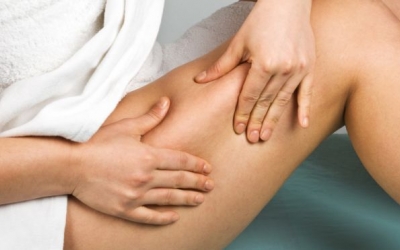
Add one more thing to the list of changes that can happen when you’re pregnant: varicose veins, Fox News reports. Those twisted, bulging, swollen veins that show up on the legs and on other parts of the body, too.
Varicose veins are fairly common— up to 55 percent of women will have varicose veins in their lifetimes, according to the American College of Phlebology.
During pregnancy, the blood volume increases and the pressure from the growing uterus on the body’s big vein, puts pressure on the veins in the legs.
Varicose veins usually develop in the legs but can also show up in the vulva or as hemorrhoids, which are a type of varicose veins.
For most pregnant women, varicose veins are just uncomfortable. Yet if they become pronounced, they can bleed, cause a superficial clot in the vein, severe swelling in the ankles, changes in skin color or problems during a vaginal delivery if they’re in the vulva, Dr. Luis Navarro, director of The Vein Treatment Center in New York City.
One of the most common reasons for varicose veins is a genetic predisposition to weak vein walls or weak valves, Navarro said.
Varicose veins also increase with age, weight and each subsequent pregnancy. If you stand for long periods of time or are carrying multiples, you’re more likely to get them.
Varicose veins usually resolve three to six months after giving birth, but there are things you can do now to prevent them.
Sleep on your left side.
Since the inferior vena cava is located on the right side of body, lying on your left side is best so the blood can return back on the right side.
Exercise.
Exercise is one of the best ways to increase circulation and experts say it’s safe to start during pregnancy. Thirty minutes or more of moderate exercise most days is recommended.
Elevate your legs.
Propping your legs up above your heart and sitting down every three hours will help with circulation. When you do stand, alternate your weight on each leg. Change positions when you’re uncomfortable and try not to cross your legs said Dr. Mary Rosser, assistant professor in the department of obstetrics and gynecology and women's health at Montefiore Medical Center in New York City.
Don’t gain too much weight.
Too much weight gain during pregnancy can cause varicose veins. Talk to your doctor about how much weight you should gain.
Avoid constipation.
Constipation can increase varicose veins and cause hemorrhoids, so drink lots of water, limit your salt intake and eat high fiber foods. If constipation persists, a stool softener is safe during pregnancy.
Wear support hose.
Mild support hose or compression stockings that are tighter at the ankle and looser at the thigh redirect blood back to the heart. If you’re overweight, however, they can cut off circulation below the knee so use the pantyhose type instead.
Talk to your doc.
If your varicose veins are inflamed and feel hard, use warm compresses and elevate your legs. Although it’s uncommon, if the varicose veins are red, swollen or warm, see your doctor because he might prescribe antibiotics, Rosser said.