make preferable
From Patricia Bannan, a Los Angeles-based registered dietitian specializing in nutrition and health communications.
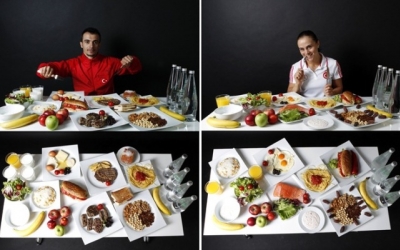
While we may not all be able to perform like Olympic athletes, we can eat like them. Here are some fun facts about what Olympic athletes eat, Fox News reports.
1. Hydrating foods and beverages

We tend to associate the need to drink more with warmer temperatures – when in fact, the likelihood of dehydration is accelerated in winter weather. It's likely that Olympic athletes are encouraged to consume plenty of water-rich fruits and veggies such as cucumbers, grapes, radishes and tomatoes.
2. Blueberries

Inflammation from exercise can cause pain and stiffness, as well as slow down an athlete. The antioxidants in blueberries are anti-inflammatory, plus blueberries are high in Vitamin C, which boosts the immune system.
3. Sandwiches and bars

The foods an athlete eats before training and competition are vital to performance. Speedskater Catherine Ramey told CBS Local her favorite snack before a game is a peanut butter and jelly sandwich. Many athletes go for this convenient snack because the carbs from white bread are easy to digest and provide quick energy. Plus, the peanut butter provides a small amount of protein. Bars are also popular because they are portable. Slopestyle Olympic skier Grete Eliassen reportedly likes to carry KIND bars for their all-natural, wholesome ingredients like nuts and dried fruit.
4. Chocolate milk

Compared to water and most sports drinks, chocolate milk has double the protein content, which combined with its carbohydrates makes it a good way to replenish tired muscles.
5. Breakfast for dinner

The official sports dietitian for the Winter Olympics, Adam Korzun, has said he will occasionally prepare a carb-heavy breakfast, such as French toast and pancakes for his athletes for dinner, according to an interview with BU Today.