make preferable
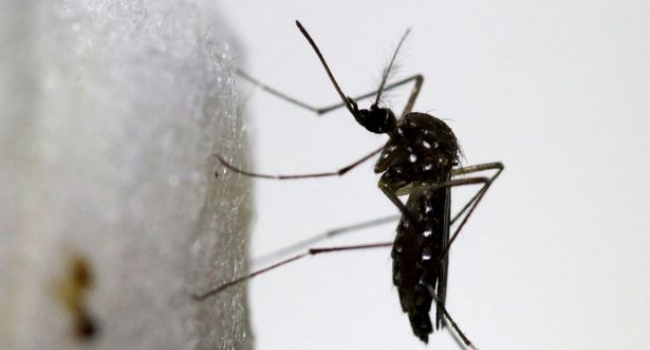
The Zika virus may not only cause devastating brain damage in babies but could actually kill, a shocking new study has found.
In January a young Brazilian woman gave birth to a stillborn baby girl with the small head associated with the virus.
It is the first possible link between congenital Zika and damage to tissues outside the central nervous system, meaning the bug might actually be much more deadly than believed.
The 20-year-old patient's pregnancy was normal until an ultrasound examination in the eighteenth week found her unborn child's weight was well below where it should have been.
She had not reported any of the classic Zika symptoms including rash, fever or body aches or any other similar infection.
By the thirtieth week, the foetus showed a range of birth defects and labour was induced.
It was confirmed the foetus had contracted Zika of the same strain in the womb.
The case suggests Zika may cause abnormal accumulation of fluid in foetuses, known medically as hydrops fetalis, almost complete loss of brain tissue and stillbirth.
Pregnant women have already been warned not to travel to areas where the virus is spreading, such as Latin America.
Epidemiologist Professor Albert Ko, of Yale University, Connecticut, said: "These findings raise concerns the virus may cause severe damage to foetuses leading to stillbirths and may be associated with effects other than those seen in the central nervous system."
Prof Ko, whose research published in the journal PLOS Neglected Tropical Diseases, added: "Additional work is needed to understand if this is an isolated finding and to confirm whether Zika virus can actually cause hydrops fetalis."