make preferable
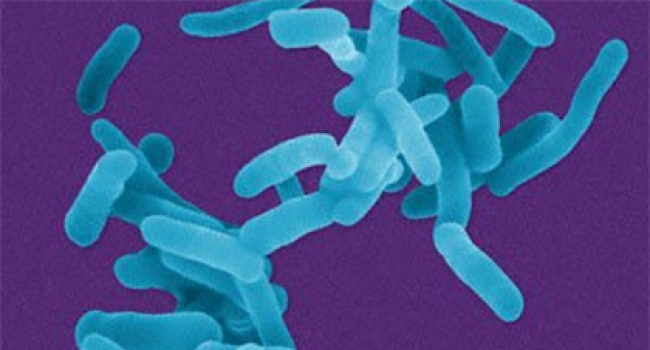
The largest genetic study on the bacterium responsible for epidemic dysentery has revealed that the Shigella dysenteriae pathogen, which remains a real scourge in Africa and Asia, probably originated in Europe.
This research, published in the journal Nature Microbiology, also charts the development of the pathogen's resistance to antibiotics.
Scientists from the Wellcome Trust Sanger Institute, Institut Pasteur in Paris and international collaborators have uncovered hitherto unknown links between the various outbreaks that have occurred through history. One of the worst scourges to afflict humans throughout the 18th and 19th centuries, dysentery was transmitted from one continent to another via migratory movements and military operations.
The bacterium Shigella dysenteriae type 1, causes life-threatening bloody diarrhoea, and has been responsible for thousands of deaths, especially amongst children in the developing world. The last big epidemic in Central America killed 20,000 people between 1969 and 1972. Despite the isolation of S. dysenteriae strains globally, the origin of each dysentery epidemic and the links between them has remained unclear.
To provide a detailed understanding of this disease, a team of scientists led by Prof Nicholas Thomson from the Wellcome Trust Sanger Institute, and senior author Dr François-Xavier Weill from the Institut Pasteur undertook a huge genomic study using high throughput technologies for bacterial genome sequencing and bioinformatics. They analyzed more than 330 strains of S. dysenteriae type 1 isolated between 1915 (in soldiers taking part in the First World War Gallipoli campaign) and 2011. The strains had been collected by 35 international institutes in 66 countries.
The team found that the type 1 strain has existed since at least the eighteenth century, and spread throughout the globe. Contrary to popular belief, the study showed that the S. dysenteriae pathogen currently endemic in Africa and Asia is of European origin.
Prof Nicholas Thomson, leader of the Bacterial Genomics and Evolution group at the Sanger Institute, said: "Analyzing the full genomes of all these Shigella dysenteriae strains collected over a huge timeframe and from such an array of different countries provided us with an unprecedented insight into the historical spread of this pathogen. This was needed because there are still many unanswered questions relating this infamous and important bacterial pathogen. It was achieved by combining high resolution genomic research data with the detailed information recording the provenance of each sample from a large number of dedicated groups."