


- Latest news▼
-
08:45, October 26 Not Sugar, but Plant-Based Creamers: Study Identifies an Unexpected Source of Extra Calories in Coffee

-
20:53, October 25 Scientists Develop Ultrasound System to Detect Microcracks in Bones

-
15:41, October 25 Experimental Weight-Loss Drug Reduces Sleep Apnea Episodes by 40%

-
12:36, October 25 Second Ebola Patient Dies in Kenya as Nigeria Reports First Case

-
21:36, October 24 From Cancer to Alzheimer's Disease: Scientists Call for a Major International Human Microbiome Research Initiative

-
18:14, October 24 How Ultra-Processed Foods Affect Children's Brains: Study Links Brain Activity to Weight Gain

-
15:39, October 24 Scientists Create Immune Cell Atlas That Could Help Assess Cancer Risk and Premature Death

-
13:42, October 24 New mRNA Vaccine Reduces Risk of Melanoma Recurrence After Surgery by 42%

-
08:37, October 24 Mice Help Scientists Uncover the Cause of a Rare Disease

-
22:53, October 23 Scientists Use ChatGPT-Like Technology to Assess Stroke Risk From Human DNA

-
20:56, October 23 Nubar Afeyan’s Company Tests Skin Cancer Vaccine: Risk of Recurrence Falls by 42%

-
18:49, October 23 bioRxiv: Cholesterol May Interfere with the Brain’s Ability to Clear Toxic Proteins
-
16:56, October 23 PLOS One: A Short Strength-Training Routine Improved Balance and Strength in Adults Over 65

-
14:50, October 23 A Simple 15-Minute Procedure Helped Patients with Carpal Tunnel Syndrome Avoid Surgery

-
12:53, October 23 Scientists Rejuvenate Cells by More Than 60 Years for the First Time

All materials
Cloth masks do not protect well against COVID-19
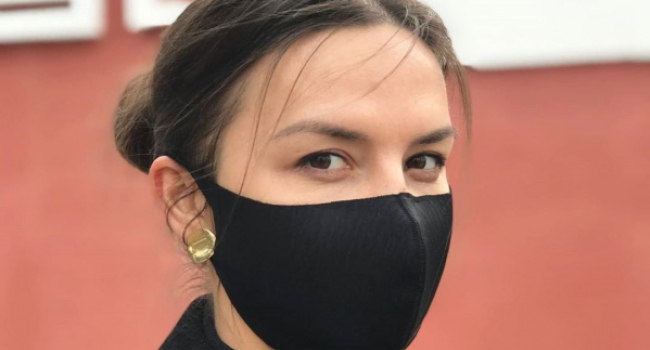
Coronavirus, like many viruses, is airborne. An infected person breathes out particles containing the coronavirus into the environment, and other people are infected by breathing in these particles. Researchers from the UK, France and Germany, decided to test whether fabric masks can protect against infection.
According to Medportal.ru, the woven material, unlike the material used in standard air filters and masks, consists of twisted fibers. Using 3D images, the scientists simulated the flow of air through these strands and calculated the efficiency of filtration for particles with a diameter of a micrometer or more. These sizes correspond to the size of viruses.
The results showed that for such small particles, the filtering efficiency of fabric masks is low. When a person breathes in such a mask, most of the air passes through the gaps between the filaments in the material, which actually allow more than 90% of the particles to pass through.
Masks are air filters, and fabrics such as cotton can make good jeans, shirts and other clothing, but as air filters they are bad. The relatively large gaps between the fibers are why the fabric is unsuitable for making normal air filters, says study co-author Richard Cyr.
According to the scientists, earlier studies of fabric masks have shown similar results, but this work is the first to simulate particles passing directly through gaps in the fabric material.
Follow NEWS.am Medicine on Facebook and Twitter

- Video




- Event calendar
- Archive
- Most read
month
week
day
- Tea May Benefit Heart Health — but Drinking It Scalding Hot Could Be Risky 481
- Scientists Rejuvenate Cells by More Than 60 Years for the First Time 439
- Why Some People Avoid Alzheimer’s Despite Carrying a High-Risk Gene 410
- Scientists Use ChatGPT-Like Technology to Assess Stroke Risk From Human DNA 402
- PLOS One: A Short Strength-Training Routine Improved Balance and Strength in Adults Over 65 399
- Nubar Afeyan’s Company Tests Skin Cancer Vaccine: Risk of Recurrence Falls by 42% 393
- bioRxiv: Cholesterol May Interfere with the Brain’s Ability to Clear Toxic Proteins 391
- LSD does more than disrupt brain rhythms: It speeds them up and increases signal complexity 388
- Nine-year study links changing loneliness patterns to increased heart disease risk 368
- From Cancer to Alzheimer's Disease: Scientists Call for a Major International Human Microbiome Research Initiative 355
- How Ultra-Processed Foods Affect Children's Brains: Study Links Brain Activity to Weight Gain 352
- A Simple 15-Minute Procedure Helped Patients with Carpal Tunnel Syndrome Avoid Surgery 342
- New mRNA Vaccine Reduces Risk of Melanoma Recurrence After Surgery by 42% 332
- Scientists Create Immune Cell Atlas That Could Help Assess Cancer Risk and Premature Death 330
- Mice Help Scientists Uncover the Cause of a Rare Disease 325
- Find us on Facebook
- Poll