


- Latest news▼
-
18:14, October 24 How Ultra-Processed Foods Affect Children's Brains: Study Links Brain Activity to Weight Gain

-
15:39, October 24 Scientists Create Immune Cell Atlas That Could Help Assess Cancer Risk and Premature Death

-
13:42, October 24 New mRNA Vaccine Reduces Risk of Melanoma Recurrence After Surgery by 42%

-
08:37, October 24 Mice Help Scientists Uncover the Cause of a Rare Disease

-
22:53, October 23 Scientists Use ChatGPT-Like Technology to Assess Stroke Risk From Human DNA

-
20:56, October 23 Nubar Afeyan’s Company Tests Skin Cancer Vaccine: Risk of Recurrence Falls by 42%

-
18:49, October 23 bioRxiv: Cholesterol May Interfere with the Brain’s Ability to Clear Toxic Proteins

-
16:56, October 23 PLOS One: A Short Strength-Training Routine Improved Balance and Strength in Adults Over 65

-
14:50, October 23 A Simple 15-Minute Procedure Helped Patients with Carpal Tunnel Syndrome Avoid Surgery

-
12:53, October 23 Scientists Rejuvenate Cells by More Than 60 Years for the First Time

-
10:47, October 23 WHO Comments on First Documented Human Death Linked to Shamonda Virus

-
08:24, October 23 A Single Tooth Can Reveal Six Types of Information About a Person, Including Their Health

-
20:34, October 22 Medical Xpress: Hypnosis and Psychotherapy May Help Relieve Chronic Abdominal Pain in Children

-
18:51, October 22 Nature: Cold Triggers Muscles to Produce Protective Metabolite BH2

-
16:45, October 22 Nature: Hantavirus Enters Human Cells Through a Groove in a Receptor-Binding Protein

All materials
Doctor Points Out a Key Mistake in the Weighing Process
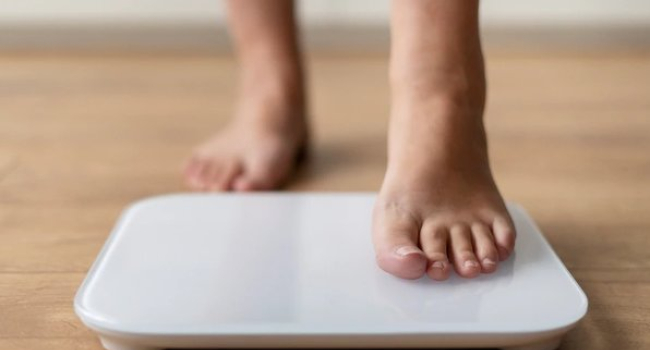
A person might weigh themselves at 8 a.m. and again at 8 p.m., only to discover that their body seems to have gained or lost several kilograms without any obvious reason. This unusual fluctuation has several underlying causes, which doctors have explained. As reported by BBC Science Focus, the scales don’t lie—but they can be misleading without proper context.
This peculiar phenomenon, often wrongly interpreted as a sign of success or failure in achieving health goals, is more about biological tides than actual fat gain or loss. Daily weight changes may seem erratic, but the causes are deeply rooted in bodily systems that operate quietly behind the scenes.
Dr. Nish Manek, a general practitioner and medical educator, shed light on this mystery, pointing to water as one of the main culprits, according to Focus. Since water makes up about 60 percent of the human body, small changes in hydration—such as from a salty dinner or a high-carb meal—can cause the body to retain more water, temporarily tipping the scale upward. Hormonal shifts, especially during menstruation, can produce similar effects, which usually subside within a few days without intervention.
What enters the body also literally affects weight simply because it hasn’t yet left, Dr. Manek explains. A late meal, even if healthy, still adds mass that the digestive system hasn’t yet processed. This food weight is temporary, disappearing as digestion progresses, but it can momentarily push the numbers higher. The speed of this process varies significantly from person to person, depending on digestive health and metabolism.
Exercise can also create the illusion of rapid weight change. After intense workouts, the body loses water through sweat, leading to a short-term drop in weight. However, as muscles recover, the body may retain extra water, causing a temporary increase, Manek warns.
Over weeks or months, muscle gain may even lead to a long-term increase in body weight, even as actual fat stores decrease—making the scale an unreliable tool for tracking fitness progress.
The digestive system adds yet another layer of fluctuation. Bowel movements—or the lack thereof—can significantly affect a person’s weight. Constipation, dehydration, or insufficient fiber intake can alter how often the body eliminates waste, making the timing of weigh-ins just as important as diet or activity levels.
Even alcohol leaves its mark on both the body and the scale. Initially dehydrating the body and causing a deceptive drop in weight, it then triggers a rebound effect the next day when the body clings to any extra water it can get. This boomerang effect obscures the reality of stable fat levels and misleads those who track progress solely by the numbers.
Weight can fluctuate by up to 2 kilograms within a single day, and most of this variation is due to fluid and digestive factors—not fat. This should be taken into account when adjusting diet and lifestyle based on what the scale shows.
Follow NEWS.am Medicine on Facebook and Twitter

- Related News
- What Happens to the Body After a Cup of Coffee: Seven Unexpected Effects One of the best-known unexpected effects of coffee is stimulation of the bowel...
- EJPC: Five Factors May Add 11 Years to Men’s Lives Men who met none of the five favorable criteria lived an average of 31.8 years after their first examination...
- Weight-Loss Drug May Affect Aging: Scientists Discover an Unexpected Effect of Semaglutide The study involved 20-month-old female mice that began receiving semaglutide at an advanced age...
- Rare gene variant linked to lower body fat, healthier livers and better blood sugar control The researchers used exome sequencing, a technique that focuses on the roughly 1% of DNA that contains instructions for making proteins...
- Study Identifies Three Midlife Factors That May Delay Dementia by Nearly 13 Years The researchers analyzed data from 12,409 adults with an average age of 56 years who had no signs of dementia at the beginning of the study...
- Video




- Event calendar
- Archive
- Most read
month
week
day
- Tea May Benefit Heart Health — but Drinking It Scalding Hot Could Be Risky 371
- Why Some People Avoid Alzheimer’s Despite Carrying a High-Risk Gene 345
- LSD does more than disrupt brain rhythms: It speeds them up and increases signal complexity 322
- Nine-year study links changing loneliness patterns to increased heart disease risk 317
- PLOS: Yogurt and Canned Beans May Help Reduce the Risk of Colorectal Cancer 292
- Scientists Rejuvenate Cells by More Than 60 Years for the First Time 261
- Nubar Afeyan’s Company Tests Skin Cancer Vaccine: Risk of Recurrence Falls by 42% 257
- bioRxiv: Cholesterol May Interfere with the Brain’s Ability to Clear Toxic Proteins 254
- Scientists Use ChatGPT-Like Technology to Assess Stroke Risk From Human DNA 245
- AJOG: Birth Weight Is Linked to Later Performance in Math and Reading 236
- PLOS One: A Short Strength-Training Routine Improved Balance and Strength in Adults Over 65 233
- Noise-Canceling Headphones Reduced the Risk of Nausea After Gynecological Surgery by 32% 228
- SciRep: Walking More Than 8,000 Steps a Day Is Linked to Better Attention 227
- WHO Comments on First Documented Human Death Linked to Shamonda Virus 220
- Scientists Unveil Scanner That Captures Whole-Body Images in Just 60 Seconds 206
- Find us on Facebook
- Poll