


- Latest news▼
-
22:53, October 23 Scientists Use ChatGPT-Like Technology to Assess Stroke Risk From Human DNA
-
20:56, October 23 Nubar Afeyan’s Company Tests Skin Cancer Vaccine: Risk of Recurrence Falls by 42%

-
18:49, October 23 bioRxiv: Cholesterol May Interfere with the Brain’s Ability to Clear Toxic Proteins
-
16:56, October 23 PLOS One: A Short Strength-Training Routine Improved Balance and Strength in Adults Over 65

-
14:50, October 23 A Simple 15-Minute Procedure Helped Patients with Carpal Tunnel Syndrome Avoid Surgery

-
12:53, October 23 Scientists Rejuvenate Cells by More Than 60 Years for the First Time

-
10:47, October 23 WHO Comments on First Documented Human Death Linked to Shamonda Virus

-
08:24, October 23 A Single Tooth Can Reveal Six Types of Information About a Person, Including Their Health
-
20:34, October 22 Medical Xpress: Hypnosis and Psychotherapy May Help Relieve Chronic Abdominal Pain in Children

-
18:51, October 22 Nature: Cold Triggers Muscles to Produce Protective Metabolite BH2

-
16:45, October 22 Nature: Hantavirus Enters Human Cells Through a Groove in a Receptor-Binding Protein

-
14:48, October 22 First Human Case of Shamonda Virus Infection Recorded in France

-
12:43, October 22 Chinese Scientists Develop a One-Gram Device for Monitoring Brain Activity

-
10:55, October 22 LSD does more than disrupt brain rhythms: It speeds them up and increases signal complexity

-
08:42, October 22 The Journal of Nutrition: Women Who Eat Oily Fish Have a 19% Lower Risk of Death from Stroke

All materials
A Single Tooth Can Reveal Six Types of Information About a Person, Including Their Health
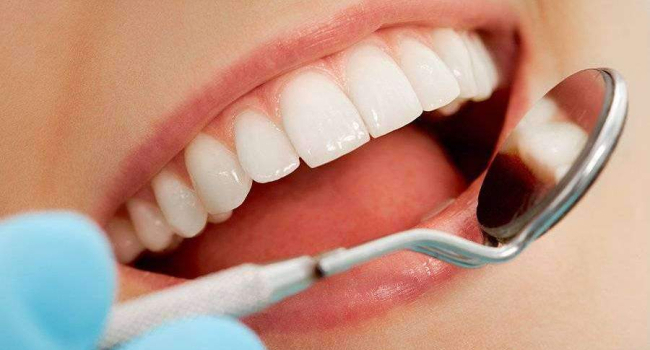
Japanese researchers have shown that a single tooth can provide six types of forensic information: a person’s estimated age and year of birth, dietary habits and possible geographic origins, traces of medications and other substances, biological sex, and a DNA profile. This approach could help identify people whose remains have severely decomposed or survived only as skeletal remains.
The study was conducted by researchers at the Institute of Science Tokyo and Yamagata University. They examined the mandibular first premolars of 15 deceased individuals. The findings were published in the journal Scientific Reports.
“Different dental tissues preserve different types of forensic information. By combining several analytical methods, we aimed to obtain as much information as possible from a single tooth,” explained study leader Hisako Saito.
Radiocarbon analysis of tooth enamel made it possible to estimate year of birth. In 14 of the 15 cases, the estimate included the actual year. Analysis of carbon isotopes provided information about dietary habits and possible geographic origins. Age at death was estimated by examining dentin, the tissue beneath the enamel. The method had a mean absolute error of approximately eight years.
Traces of medications and other substances were detected in all 15 samples, although the results did not always match those of conventional toxicological tests. DNA analysis established biological sex in every case, while 12 samples yielded genetic profiles sufficient for individual identification.
The researchers believe that comprehensive tooth analysis could be useful in criminal investigations and in identifying disaster victims when little other biological material is available. They plan to improve the accuracy of the methods and develop standardized procedures for forensic practice.
Follow NEWS.am Medicine on Facebook and Twitter

- Related News
- Medical Xpress: Hypnosis and Psychotherapy May Help Relieve Chronic Abdominal Pain in Children Symptoms can be severe even when medical examinations reveal no underlying organic cause. Swedish researchers are investigating whether hypnosis can help these patients...
- Scientists Identify a Potential Therapeutic Target for One of the Most Common Liver Diseases The researchers investigated a protein called ENT1, which transports small molecules known as nucleosides across cell membranes...
- Pancreatic Cancer Can Change Its “Genetic Strategy”: Study Identifies Key Mechanisms According to the authors, nearly 85% of patients with this disease die within five years of diagnosis...
- eClinicalMedicine: More Than 40% of Women with Autoimmune Diseases Have Experienced a Misdiagnosis of a Psychiatric Condition Among women, 43% reported that their symptoms had previously been incorrectly attributed to psychiatric causes...
- LGH: The effect of aspirin on colorectal cancer may depend on the stage of the disease After treatment, participants took either aspirin or a placebo daily for up to three years...
- Video



- Event calendar
- Archive
- Most read
month
week
day
- Why Some People Avoid Alzheimer’s Despite Carrying a High-Risk Gene 322
- Tea May Benefit Heart Health — but Drinking It Scalding Hot Could Be Risky 320
- LSD does more than disrupt brain rhythms: It speeds them up and increases signal complexity 311
- Nine-year study links changing loneliness patterns to increased heart disease risk 307
- PLOS: Yogurt and Canned Beans May Help Reduce the Risk of Colorectal Cancer 276
- AJOG: Birth Weight Is Linked to Later Performance in Math and Reading 217
- Noise-Canceling Headphones Reduced the Risk of Nausea After Gynecological Surgery by 32% 210
- SciRep: Walking More Than 8,000 Steps a Day Is Linked to Better Attention 204
- Anesthesiology: Noise-Canceling Headphones Reduce the Risk of Nausea After Anesthesia 182
- Nature: AI Links Brown Fat to Heart, Vascular, and Mental Health 181
- Scientists Unveil Scanner That Captures Whole-Body Images in Just 60 Seconds 179
- Polyphenols in coffee and fruit linked to lower risk of telomere shortening 176
- Postoperative Monitoring Apps Reduced Hospital Readmissions by 15% 169
- bioRxiv: Cholesterol May Interfere with the Brain’s Ability to Clear Toxic Proteins 162
- HealthDay: Strength Training After 60 Helps Strengthen Bones and Maintain Brain Health 159
- Find us on Facebook
- Poll