


- Latest news▼
-
08:45, October 26 Not Sugar, but Plant-Based Creamers: Study Identifies an Unexpected Source of Extra Calories in Coffee

-
20:53, October 25 Scientists Develop Ultrasound System to Detect Microcracks in Bones

-
15:41, October 25 Experimental Weight-Loss Drug Reduces Sleep Apnea Episodes by 40%

-
12:36, October 25 Second Ebola Patient Dies in Kenya as Nigeria Reports First Case

-
21:36, October 24 From Cancer to Alzheimer's Disease: Scientists Call for a Major International Human Microbiome Research Initiative

-
18:14, October 24 How Ultra-Processed Foods Affect Children's Brains: Study Links Brain Activity to Weight Gain

-
15:39, October 24 Scientists Create Immune Cell Atlas That Could Help Assess Cancer Risk and Premature Death

-
13:42, October 24 New mRNA Vaccine Reduces Risk of Melanoma Recurrence After Surgery by 42%

-
08:37, October 24 Mice Help Scientists Uncover the Cause of a Rare Disease
-
22:53, October 23 Scientists Use ChatGPT-Like Technology to Assess Stroke Risk From Human DNA

-
20:56, October 23 Nubar Afeyan’s Company Tests Skin Cancer Vaccine: Risk of Recurrence Falls by 42%
-
18:49, October 23 bioRxiv: Cholesterol May Interfere with the Brain’s Ability to Clear Toxic Proteins
-
16:56, October 23 PLOS One: A Short Strength-Training Routine Improved Balance and Strength in Adults Over 65

-
14:50, October 23 A Simple 15-Minute Procedure Helped Patients with Carpal Tunnel Syndrome Avoid Surgery

-
12:53, October 23 Scientists Rejuvenate Cells by More Than 60 Years for the First Time

All materials
Independent: Nasal Spray Vaccine Could Replace Several Shots
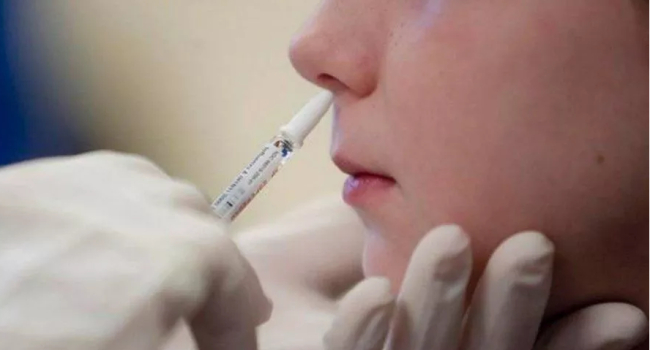
Scientists at Stanford Medicine have announced the development of an experimental vaccine that could potentially protect against multiple respiratory threats at once — including influenza, COVID-19, respiratory syncytial virus (RSV), the common cold, bacterial pneumonia, and even allergens, The Independent reports.
The vaccine, designated GLA-3M-052-LS+OVA, is administered as a nasal spray. In experiments on mice, a single intranasal dose provided lung protection for several months.
Unlike traditional vaccines, which “show” the immune system a fragment of a specific virus, the new approach mimics the signaling processes immune cells use to communicate during infection. This activates T cells in the lungs and keeps the innate immune response in a heightened state of readiness.
“I think we have a universal vaccine against a wide range of respiratory threats,” said study leader Bali Pulendran, director of the Institute for Immunity, Transplantation and Infection at Stanford Medicine. According to him, in the future two doses of the nasal spray administered in autumn could be enough to protect against most winter infections.
Researchers believe that, with sufficient funding, clinical trials in humans could begin within the next few years, while practical use may still be five to seven years away.
However, independent experts urge caution. Professor of virology Ian Jones from the University of Reading noted that a true “one-shot-for-life” vaccine remains far off. He emphasized that a universal strategy must account for the enormous biological diversity of the human population, and safety issues remain crucial.
Professor Jonathan Ball of the Liverpool School of Tropical Medicine also warned that keeping the immune system permanently on “high alert” could produce side effects. There is a potential risk of excessive immune activation, which could theoretically lead to unwanted inflammatory reactions.
Nevertheless, some specialists describe the results as promising. Daniela Ferreira, professor of vaccinology at the University of Oxford, called the research “exciting.” She noted that most people already possess immune memory cells in the nasal and lung mucosa, and the new strategy could use this foundation to provide broad protection even against unrelated pathogens.
If the approach proves effective and safe in humans, it could transform strategies for preventing seasonal infections by reducing the need for annual vaccinations against different viruses. For now, however, the research remains at the preclinical stage, and a truly universal vaccine will require many more years of study.
Follow NEWS.am Medicine on Facebook and Twitter

- Video




- Event calendar
- Archive
- Most read
month
week
day
- Tea May Benefit Heart Health — but Drinking It Scalding Hot Could Be Risky 497
- Scientists Rejuvenate Cells by More Than 60 Years for the First Time 446
- Why Some People Avoid Alzheimer’s Despite Carrying a High-Risk Gene 415
- Scientists Use ChatGPT-Like Technology to Assess Stroke Risk From Human DNA 410
- PLOS One: A Short Strength-Training Routine Improved Balance and Strength in Adults Over 65 407
- Nubar Afeyan’s Company Tests Skin Cancer Vaccine: Risk of Recurrence Falls by 42% 403
- bioRxiv: Cholesterol May Interfere with the Brain’s Ability to Clear Toxic Proteins 397
- LSD does more than disrupt brain rhythms: It speeds them up and increases signal complexity 392
- Nine-year study links changing loneliness patterns to increased heart disease risk 376
- How Ultra-Processed Foods Affect Children's Brains: Study Links Brain Activity to Weight Gain 368
- From Cancer to Alzheimer's Disease: Scientists Call for a Major International Human Microbiome Research Initiative 366
- A Simple 15-Minute Procedure Helped Patients with Carpal Tunnel Syndrome Avoid Surgery 347
- Mice Help Scientists Uncover the Cause of a Rare Disease 344
- Scientists Create Immune Cell Atlas That Could Help Assess Cancer Risk and Premature Death 343
- New mRNA Vaccine Reduces Risk of Melanoma Recurrence After Surgery by 42% 343
- Find us on Facebook
- Poll